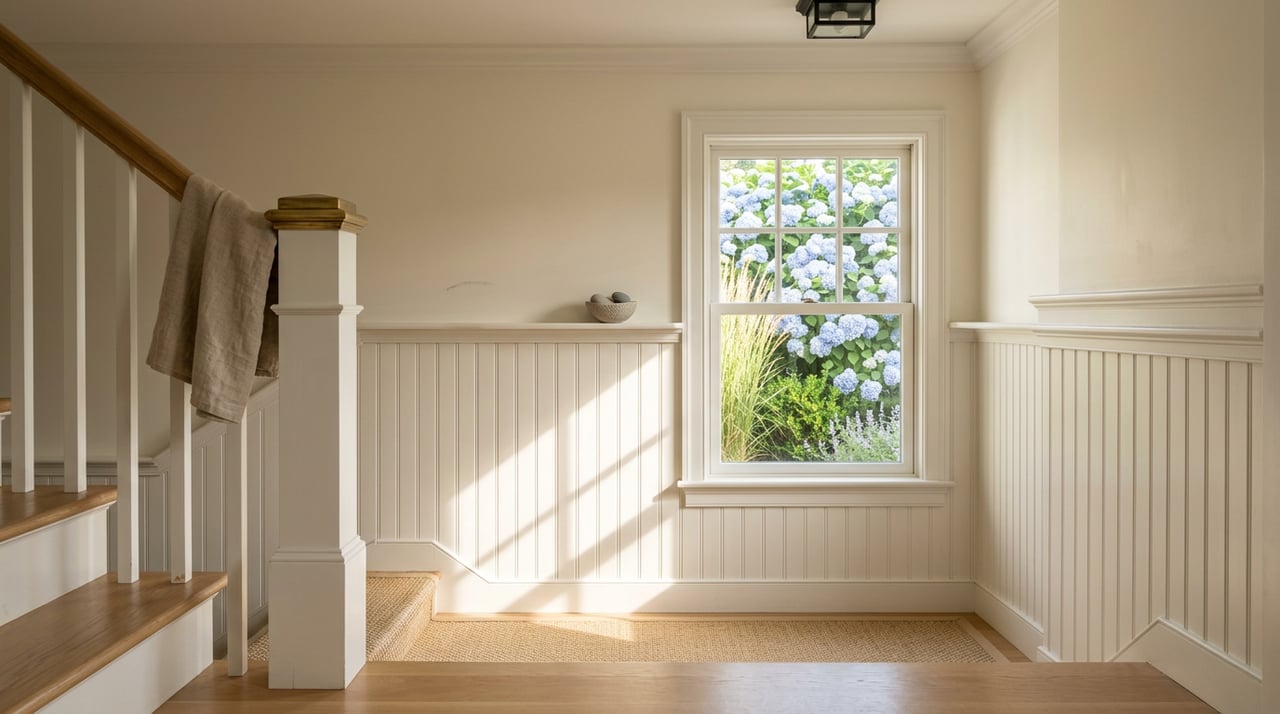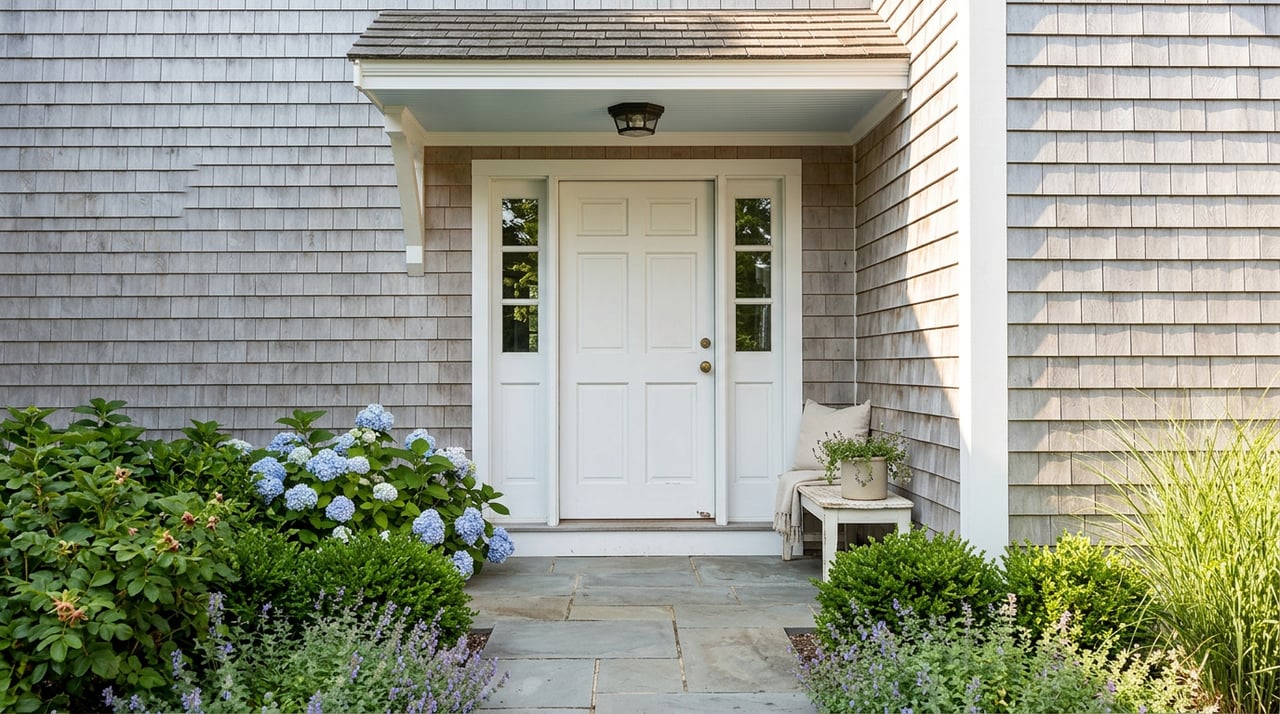
Are you torn between a condo and a single-family home in Provincetown? You are not alone. In a small coastal town with tight inventory, seasonal rhythms, and unique ownership rules, the right choice depends on how you plan to live, use, and maintain your place. This guide breaks down costs, lifestyle tradeoffs, parking realities, and rental considerations so you can buy with confidence. Let’s dive in.
Provincetown market realities
Provincetown is compact, historic, and highly seasonal. Demand comes from second-home owners, short-term renters, and a smaller year-round community. Inventory is limited, which can create competition across price points for both condos and single-family homes.
You will see older cottages, small multi-unit buildings, and historic conversions throughout town. Salt air, moisture, and aging mechanicals are common themes. That coastal character is part of the charm, but it also shapes costs, insurance, and maintenance timelines.
Cost of entry and financing
Condos often provide a lower entry price than single-family homes, though Provincetown’s small lots and historic cottages can narrow that gap. Recent local comps matter more than general assumptions.
Financing can differ by property type and location:
- Lenders may scrutinize coastal risks such as flood zones and elevation. If a property sits in a FEMA flood zone, expect flood coverage to be required.
- Condos may face extra underwriting steps. If you need an FHA or VA loan, confirm whether the association is approved using the HUD condominium approval list.
- If you plan to operate the property as a short-term rental, many lenders treat it as an investment loan with different rates and down payment requirements.
Before you fall in love, ask your agent to pull current Provincetown comps and talk with your lender about coastal underwriting and condo project requirements.
Ongoing ownership costs
Property taxes and assessments
Both condos and single-family homes pay property taxes based on assessed value. Check current tax rates and assessment history with the Town of Provincetown. Condos can also levy special assessments for building projects, which are separate from municipal property taxes.
Insurance and coastal risk
- Single-family owners typically carry HO-3 or HO-5 policies for the structure and contents. Flood insurance is a separate policy and is usually required in FEMA flood zones.
- Condo owners usually carry an HO-6 policy for interior finishes and personal property. The association’s master policy covers the building shell and common areas based on policy type. Review deductibles and where the master policy ends and your HO-6 begins.
Coastal exposure can raise premiums, limit carrier options, and increase deductibles. Always pull a flood zone determination and, if available, an elevation certificate. The FEMA Flood Map Service Center is a useful starting point.
HOA fees and reserves
Condo dues often cover exterior maintenance, master insurance, landscaping, trash, and reserves. Fees can look low in smaller historic associations, but low reserves may increase the risk of special assessments. Review the budget, reserve study, meeting minutes, and any assessment history. Note any litigation or deferred maintenance such as roofs, siding, or septic.
Single-family owners do not pay HOA dues, but you own all exterior and site costs. For shared driveways or septic, check for recorded agreements that outline shared maintenance.
Maintenance and lifecycle costs
Single-family homes require more hands-on planning. Roofs, siding, decks, paint, and septic systems are common expenses. Title 5 septic inspections are a key milestone if the home is not on town sewer. Salt air accelerates corrosion and wood rot, so expect more frequent exterior upkeep.
Condo owners avoid most exterior projects but still contribute via dues and reserves. If reserves are thin, a special assessment can have the same impact as a big repair bill. For any property, consider winterization if you will not be in residence year-round.
Utilities and operating expenses
Condo dues may include some utilities or common-area electricity. Single-family owners carry all accounts individually. Older buildings may have oil or propane heat, and energy efficiency can vary. Ask for recent utility bills to understand seasonality and usage.
Lifestyle tradeoffs that matter
Space and privacy
Condos usually mean compact interiors, less storage, and limited outdoor space. They shine for simplicity and proximity to town amenities. Single-family homes often provide yards, sheds, and more flexibility for outdoor living, subject to local zoning and any historic district rules.
Parking and access
Provincetown streets are narrow and public parking is limited. Some condos have assigned off-street spaces, and some have none. Many single-family homes offer small driveways, but older lots can be tight. If reliable parking is essential, prioritize properties with private off-street space or documented rights and confirm town permit options with the Town of Provincetown.
Lock-and-leave vs hands-on living
If you want a low-touch getaway, a condo’s shared maintenance can fit. If you prefer privacy, storage, and outdoor flexibility, a single-family home may be better. The right choice aligns with how often you will be here, how much time you want to invest in upkeep, and whether you plan to rent.
Historic and permitting considerations
Many properties are historic or sit in sensitive coastal areas. Renovations may require approvals from the Building Department, Historic District Commission, or Conservation Commission. Condo owners may also need association approval for interior changes that affect systems or structure.
Renting your Provincetown property
Demand and seasonality
Summer short-term rentals can be strong, with lower occupancy in shoulder and off-season months. Long-term rentals operate differently and typically do not match peak nightly rates. Your rental model should reflect the seasonality of demand.
Rules, licensing, and taxes
Short-term rental rules can change, so confirm what is allowed before you buy. Check registration, safety, zoning, and occupancy rules with the Town of Provincetown. Massachusetts also applies a room occupancy excise to short-term rentals. Review requirements through the Massachusetts room occupancy excise and register properly to avoid penalties.
Condo bylaws may limit or prohibit rentals entirely, set minimum lease lengths, or cap the percentage of rented units. Always get written confirmation of what is allowed.
Operations and risk
Condos can be easier to manage due to shared exterior maintenance, though guest access and building rules require attention. Single-family rentals may require local vendors for landscaping, snow, and turnovers. Insurance should specifically cover rental use and liability, and condo owners must understand master policy deductibles.
Sensitivity to rule changes
A change in town ordinance or an HOA vote can alter rental returns. If rental income is central to your plan, build in conservative assumptions and maintain a reserve to absorb regulatory shifts.
Quick decision checklist
Use this checklist to compare a condo and a single-family in Provincetown:
- Budget and monthly carry: mortgage, property taxes, insurance, HOA dues if condo, utilities, and any septic or sewer fees.
- Financing feasibility: lender appetite for the condo project, and loan terms for investment vs primary use.
- Flood and insurance: FEMA flood zone status, elevation certificate, master policy details, and HO-6 needs.
- Maintenance tolerance: exterior repairs, winterization, septic maintenance, and appetite for surprise costs.
- Lifestyle needs: outdoor space, storage, privacy, and proximity to downtown or the harbor.
- Parking: assigned or deeded spaces, driveway size, and permit options.
- Rental intent: condo bylaws, town STR rules, taxes, and a conservative cash-flow model.
- Resale: liquidity for condos vs unique appeal of single-family cottages, guided by current comps.
- Governance and rules: HOA health, reserve funding, and any neighborhood restrictions.
Which is right for you?
Choose a Provincetown condo if you value simplicity, shared maintenance, and walkability over private outdoor space. Condos can make excellent lock-and-leave retreats or pied-à-terres, especially if you prefer to spend your time at the beach, galleries, and restaurants, not managing exterior projects.
Consider a single-family home if you want privacy, storage, and flexibility for outdoor living or projects. Year-round owners and those with hobbies often appreciate the autonomy. If you plan to host guests more frequently or need dependable parking, a single-family home with a driveway may serve you better.
If rental income is part of your plan, both options can work. The deciding factor is usually the rules. Confirm condo bylaws, check town requirements, and model your numbers with taxes, insurance, seasonality, and management costs included.
Ready to compare specific properties side by side? A local, property-by-property review of comps, flood risk, HOA health, and rental permissibility will clarify the right fit.
If you are weighing your options, we can help you align the numbers with your lifestyle. Request a Private Market Consultation with Christie’s International Real Estate Atlantic Brokerage to review on- and off-market opportunities tailored to how you plan to live and use your Provincetown home.
FAQs
What are the biggest monthly cost differences between condos and single-family homes in Provincetown?
- Condos shift many exterior costs into HOA dues, while single-family owners pay directly for maintenance, insurance, and utilities. Compare mortgage plus HOA vs mortgage plus realistic maintenance allowances.
How do flood zones affect Provincetown buyers?
- If a lender determines the property is in a FEMA flood zone, flood insurance is usually required. Even outside mapped zones, coastal properties may benefit from flood coverage. Start with the FEMA Flood Map Service Center.
Can I use an FHA or VA loan for a Provincetown condo purchase?
- Possibly, but the condo project must meet program requirements. Check the association’s status on the HUD condominium approval list and confirm with your lender.
What should I review in Provincetown condo documents before buying?
- Look for the operating budget, reserve funding, special assessment history, insurance master policy, rental rules, and recent meeting minutes to understand maintenance priorities and governance.
What rules and taxes apply if I rent my Provincetown property short term?
- Confirm registration, safety, and zoning rules with the Town of Provincetown, and review the Massachusetts room occupancy excise. Condo bylaws may also set minimum stays or caps on rentals.