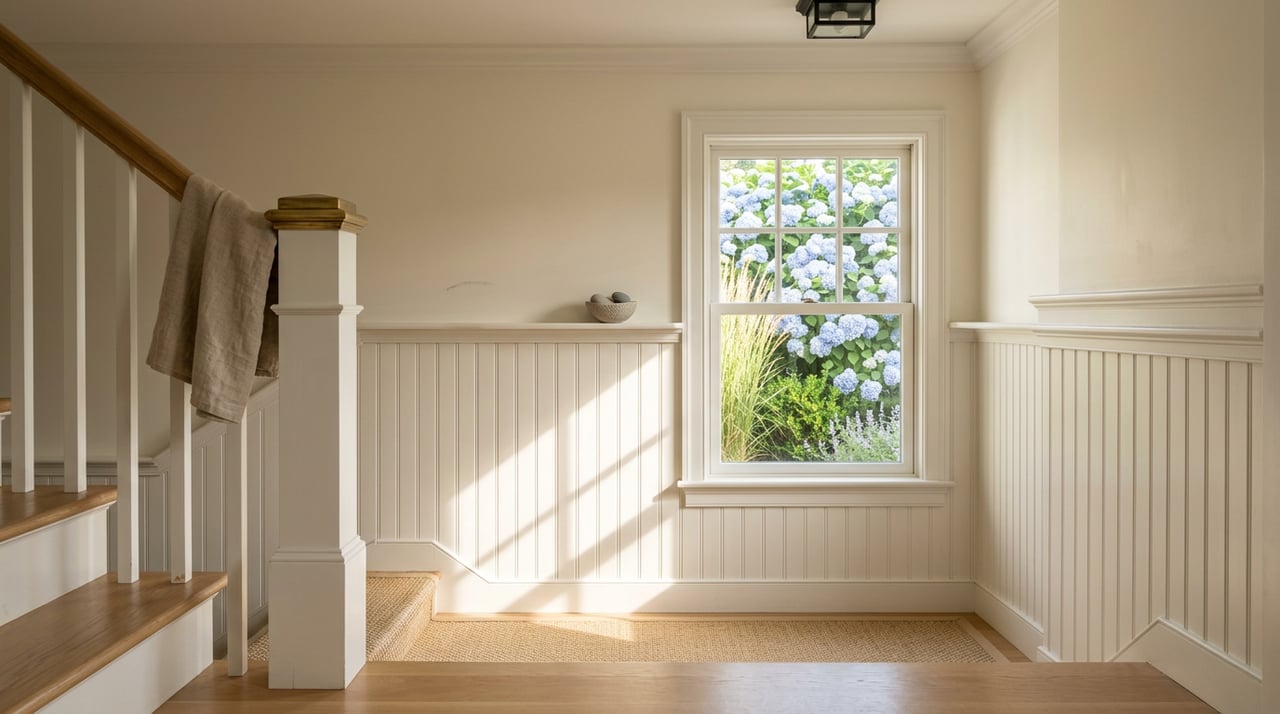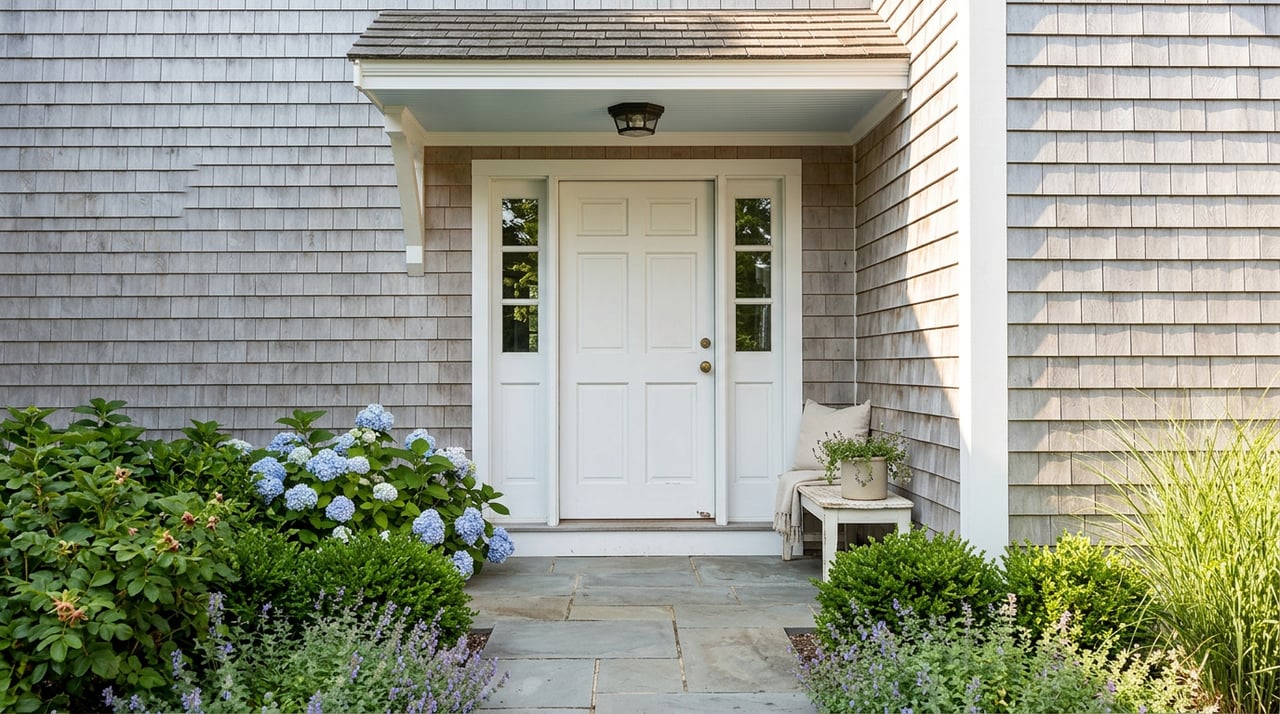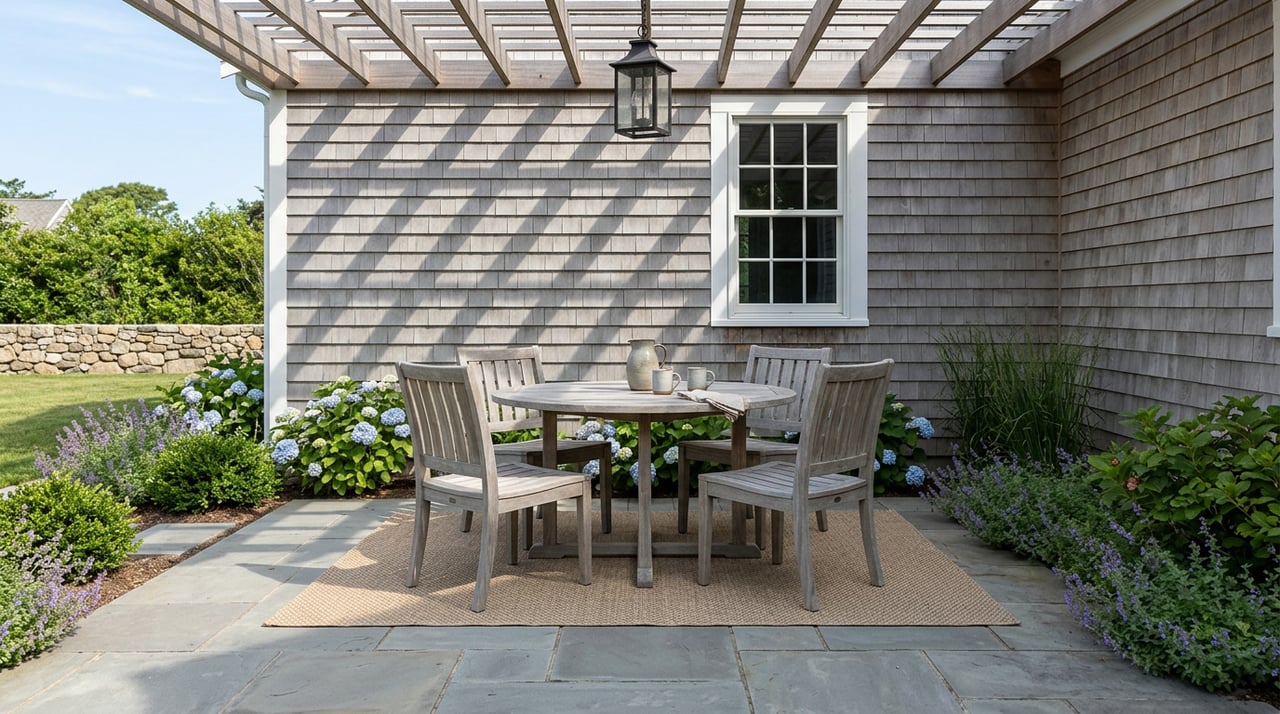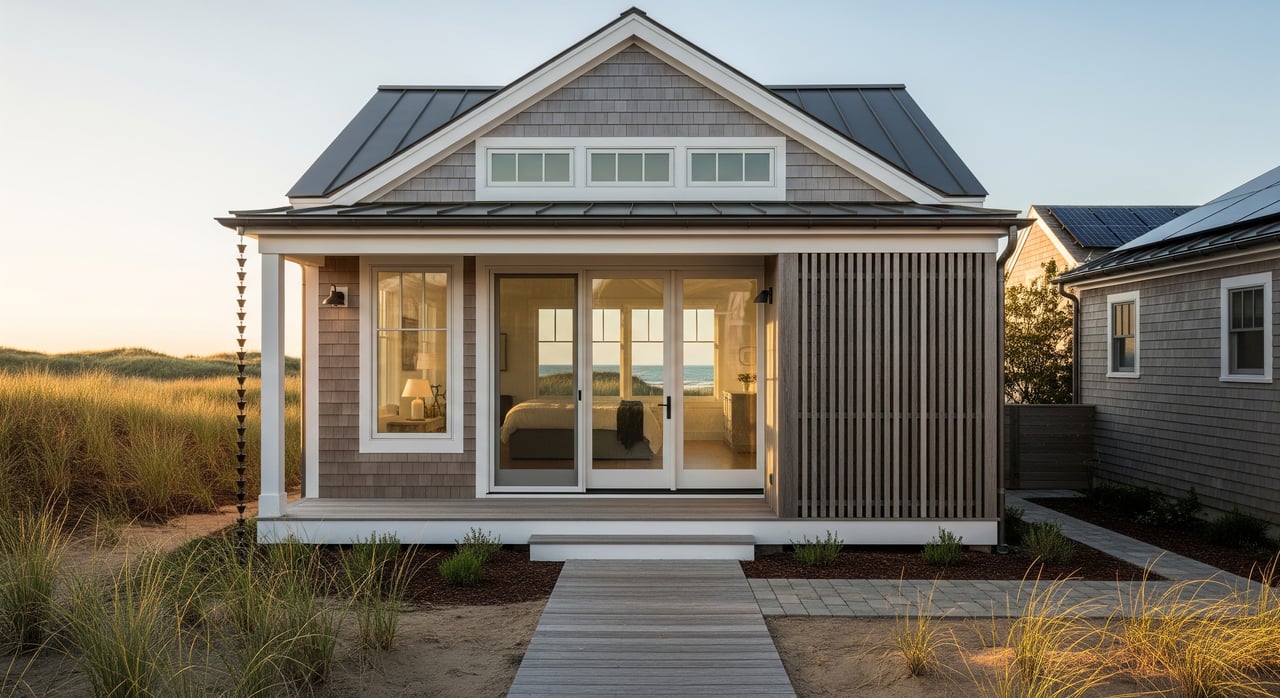
Thinking about adding an accessory dwelling unit to your Provincetown property? With Massachusetts’ new statewide ADU rules now in effect, you have clearer paths to create flexible living space for family, year-round rental income, or future resale value. The details still matter in Provincetown, where local size caps, historic review, flood zones, and septic rules can shape your design and budget. This guide breaks down what the state allows, what Provincetown requires, and how to plan a smart, compliant ADU from the start. Let’s dive in.
What the new state rules allow
Massachusetts now protects a by-right ADU in single-family zoning districts. Under the Affordable Homes Act and its regulations, a single ADU must be allowed without a special permit if it meets size and objective local standards.
- State size ceiling: up to 900 square feet or one-half of the main home’s gross floor area, whichever is smaller. See the state overview and definitions in Accessory Dwelling Units and the final regulation 760 CMR 71.00.
- No owner-occupancy requirement for protected ADUs.
- Parking limits: towns may not require more than one extra space if the property is more than 0.5 miles from transit, and none within 0.5 miles.
- Municipalities can still adopt reasonable, objective design standards and require building permits.
How Provincetown rules shape your design
Provincetown supports ADUs but applies local caps and use rules that you need to plan around.
Units per lot
Bylaw language reported in town notices ties total units to zoning district. For example, some districts allow up to two, three, or four total units per lot depending on where you live. Check your district and caps noted in Provincetown legal notices, then confirm with the Town.
Size limits in town
- Detached ADUs are often capped at 600 square feet in local notices.
- Interior ADUs are frequently limited to a percentage of the main home, with 40 percent cited in notices.
- These local caps are more restrictive than the state ceiling. Always check the active bylaw for your zoning district.
Rental and ownership rules
- Short-term rentals are not allowed. ADUs may not be rented for fewer than 31 days under town language in legal notices.
- ADUs must remain under the same ownership as the principal dwelling and cannot be split into a separate condominium. See the town notices and reports.
Parking and access
The state limits how much parking a town can require for a protected ADU. Provincetown has historically provided some flexibility, but you should design safe access and circulation that fits your site and neighborhood context.
Permits at a glance
Provincetown treats many ADUs as a permitted use through the building permit process, with special permits possible for limited dimensional relief. Start with the Zoning Department to confirm requirements for your property.
Site and technical constraints to plan for
Septic and Title 5
If your lot is on septic, an ADU can increase the design flow based on bedroom count. That can trigger a Title 5 upgrade. Engage a septic designer and the Board of Health early, and review state guidance on Title 5 and ADUs in the MassDEP Title 5 policies and guidance.
Flood zones and elevation
Many Provincetown parcels sit in FEMA AE or VE coastal flood zones. New construction or substantial improvements may need elevated finished floors, flood-resistant materials, or pier foundations. Check your parcel on the FEMA Flood Map Service Center and coordinate with the Building Commissioner early.
Historic District review
Large parts of town fall within the local Historic District. Exterior changes, including a detached cottage or visible additions, may require approval by the Historic District Commission. Review the Historic District Commission page and plan materials and massing that fit the streetscape.
Addressing and utilities
Detached ADUs typically require an assigned address consistent with E911 standards. Coordinate with the town and review MassGIS addressing guidance for ADUs. Confirm metering and service options with utilities.
Smart design moves for small Cape cottages
Local caps often point you to compact footprints. To make a small ADU live larger, focus on:
- Flexible floor plans with open living and sleeping zones.
- Efficient kitchens and baths, stacked laundry, and right-sized mechanicals.
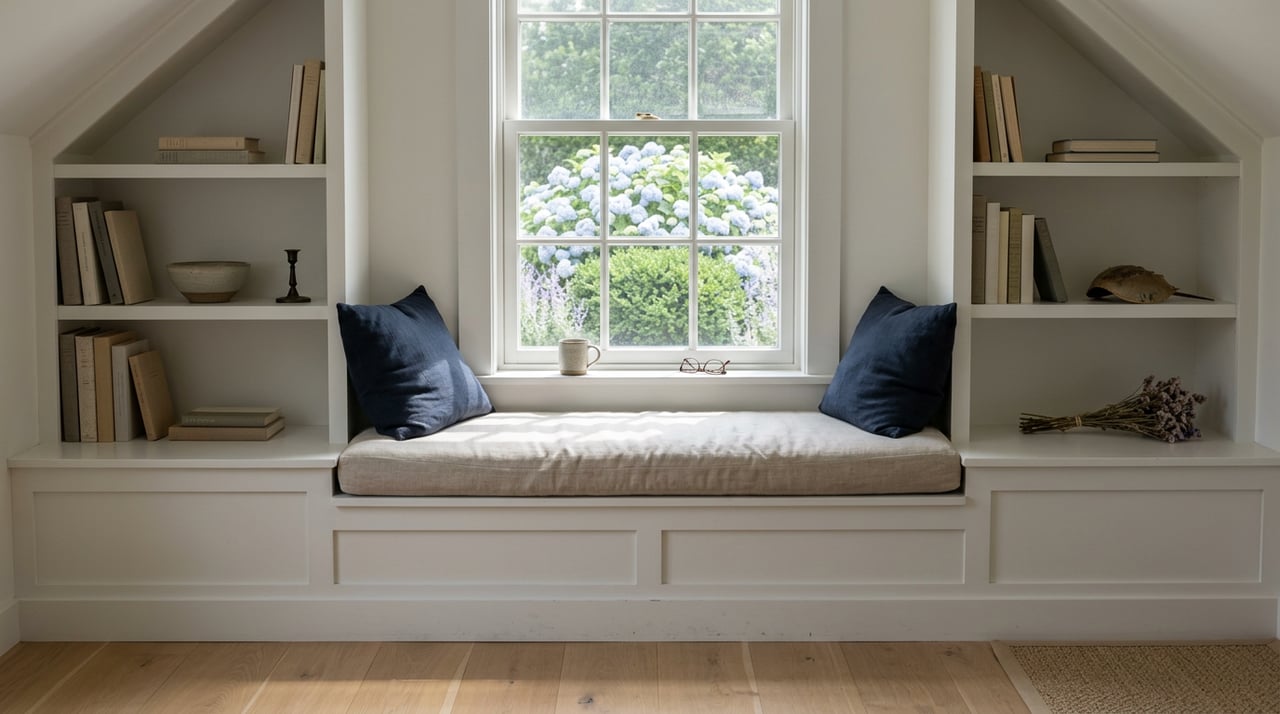
- Built-in storage, window seats, and integrated millwork to reduce clutter.
- Tall windows, skylights, and light finishes for better daylighting.
For detached cottages under 600 square feet, multi-use spaces and thoughtful circulation can keep the footprint small while feeling comfortable.
Permitting path and timeline
- Pre-application check. Contact the Zoning Department to confirm your zoning district, ADU eligibility, and whether Historic District or Board of Health reviews apply.
- Site survey and septic review. Hire a Title 5 professional to evaluate design flow and any upgrade triggers under the Title 5 guidance.
- Schematic design. Size your ADU to both the state limits in 760 CMR 71.00 and Provincetown’s local caps. Incorporate flood and historic considerations as required.
- Building permit application. Submit architectural, structural, and MEP plans, plus septic plans if needed. The town will determine whether your ADU qualifies as a protected use.
- Construction and inspections. Complete work and obtain a certificate of occupancy. The state tracks ADU permits through local reporting.
Budget, incentives, and what drives cost
Provincetown ADU budgets vary widely by site. Reported local estimates suggest on-Cape construction costs can reach the high hundreds of thousands, with one 2024 article citing around $600,000 for an ADU example. See local context and policy discussion in the Provincetown Independent’s coverage of housing bylaws and incentives: Bylaws aimed at keeping the life in Provincetown.
Big cost drivers include septic upgrades, flood-zone elevation or pier work, Historic District materials and detailing, and constrained site access. Provincetown has discussed pilot grants, such as small pre-development and post-construction incentives. Check current availability with the Town before you budget.
If you are weighing an ADU to support multigenerational living, year-round rental income, or long-term resale strategy, let’s talk about how it fits your property goals. As a local, full-service brokerage with Cape-wide reach, we can help you evaluate value, rental positioning, or purchase opportunities that support an ADU plan. Connect with Christie’s International Real Estate Atlantic Brokerage for a thoughtful, confidential conversation.
FAQs
What is the maximum ADU size in Provincetown under the new Massachusetts rules?
- Under state law, a protected ADU can be up to 900 square feet or half of the main home’s gross floor area, while Provincetown notices often cap detached ADUs at 600 square feet and limit interior ADUs to a percentage of the main home, so check your district and current bylaw.
Do you need a special permit for an ADU in Provincetown now?
- Protected ADUs in single-family districts are allowed by right under state rules, though Provincetown may use special permits for limited dimensional relief, so expect a building permit as the main path and confirm details with the Town.
Can you rent an ADU short-term in Provincetown?
- No, local ADU language prohibits short-term rentals that are fewer than 31 days.
Will my septic system need an upgrade for an ADU on Cape Cod?
- Possibly, especially if the ADU increases bedroom count and design flow under Title 5, so bring in a septic designer and the Board of Health early.
What are typical ADU cost drivers in Provincetown?
- Septic upgrades, flood-zone elevation, Historic District requirements, site access, and contractor availability often dominate budgets, and recent local reporting cited a sample cost around $600,000 that can vary by site.
What parking is required for an ADU in Provincetown under state rules?
- The state limits towns to at most one additional space for protected ADUs more than 0.5 miles from transit and none within 0.5 miles, so confirm how that interacts with your specific lot and zoning.