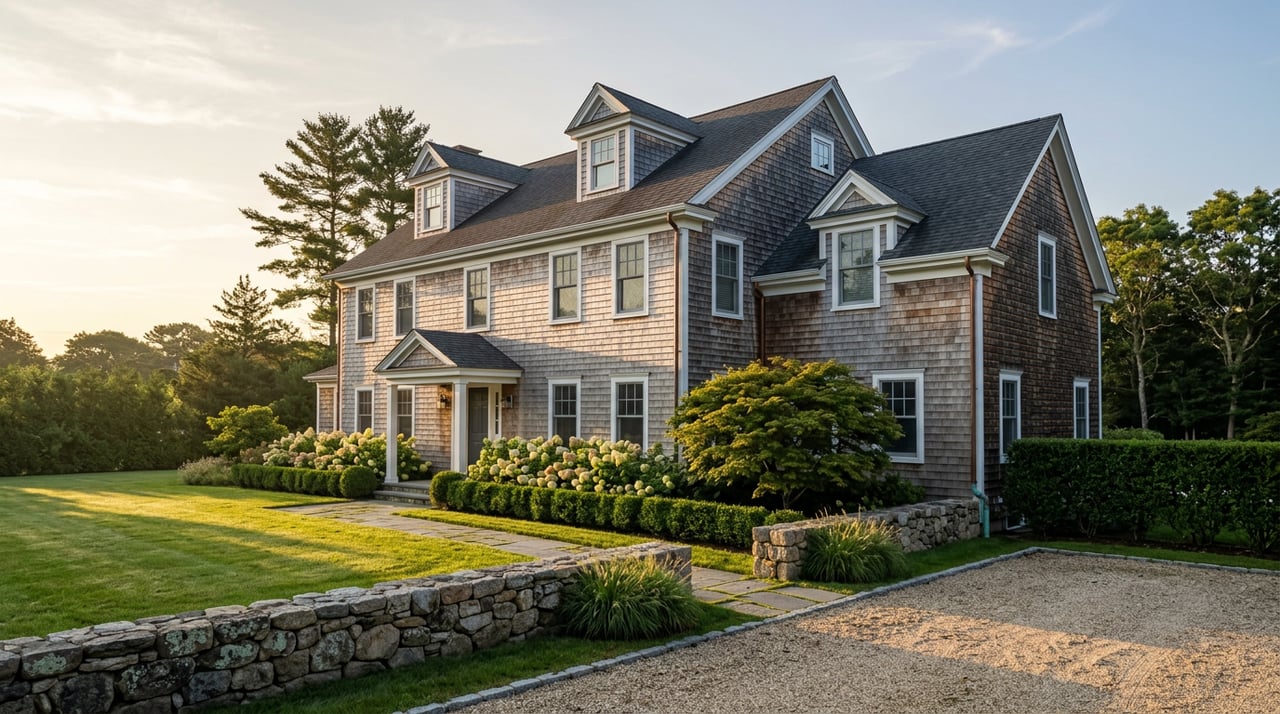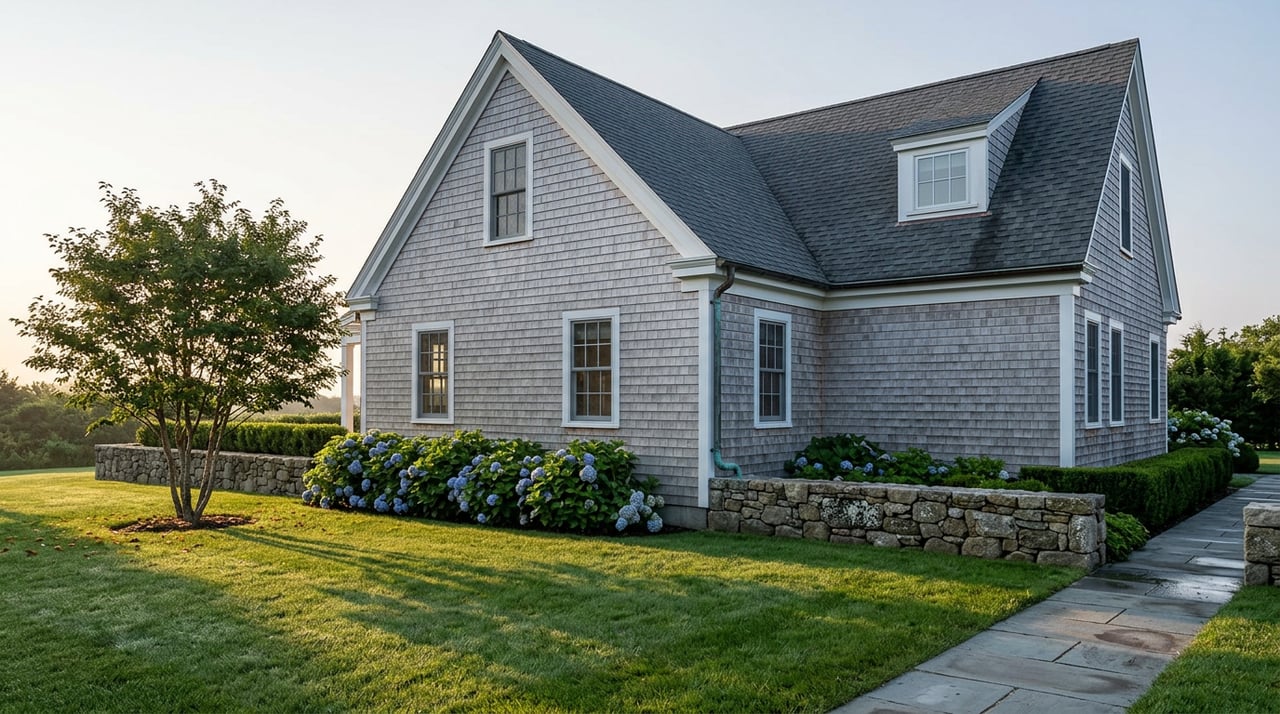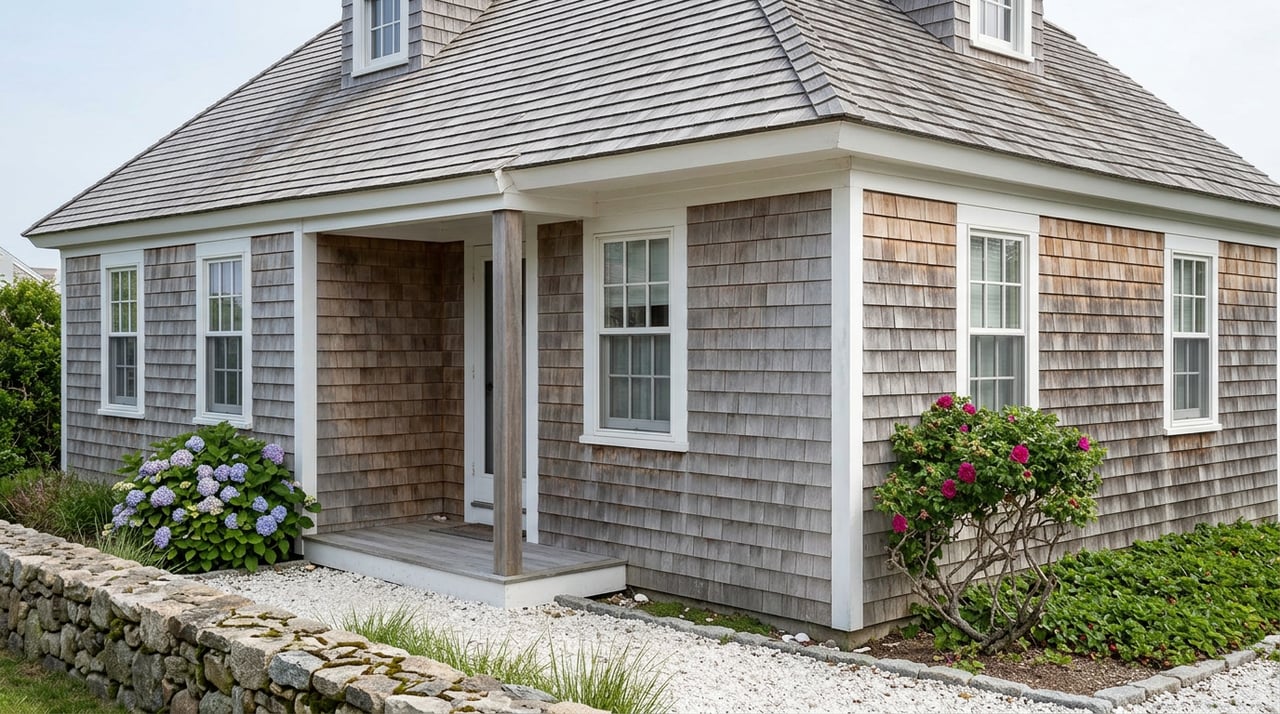
A buyer we spoke with this spring found a one-bedroom cottage in one of Wellfleet's older colonies near the harbor, priced well below what a comparable single-family house would run. The listing mentioned nothing about seasonal restrictions. The buyer's read was simple: Wellfleet changed its zoning a few years back to allow year-round living in cottage colonies, so this unit should qualify. It seemed like the kind of arithmetic that makes the Outer Cape work for a working buyer, a smaller footprint at a smaller price, with the zoning already cleared.
The zoning had, in fact, changed. What the buyer had not yet found was the cottage colony's own master deed, a separate document that the town's zoning vote does not touch and cannot override. That gap between what the bylaw permits and what the association's deed actually allows is the detail worth understanding before anyone writes an offer on a Wellfleet cottage with year-round living in mind.
Two Definitions, One Word
Wellfleet's zoning bylaw does not treat "cottage colony" as a single category. It defines two, and the difference between them decides whether a unit can ever legally become a primary residence.
| Cottage Colony | Cottage Colony NSP | |
|---|---|---|
| Location | Outside the National Seashore Park district | Inside the National Seashore Park district |
| Unit size | 300 to 800 square feet | 300 to 800 square feet |
| Occupancy | Not restricted to a season by this definition | Seasonal only, April 1 through November 30, by definition |
| Governing amendment | Amended by the September 10, 2022 special town meeting (Article 16) and again by the September 18, 2023 special town meeting (Article 6) | Added as its own defined term by the September 18, 2023 special town meeting (Article 5) |
| Who can change occupancy | The property's own governing documents, not the town | No one. The seasonal limit is written into what the term means |
The practical consequence is that a cottage inside the National Seashore boundary cannot be voted, deeded, or negotiated into year-round use. The zoning bylaw defines the category as seasonal, full stop. A cottage colony outside that boundary is a different story. There the town removed its own seasonal language from the zoning definition, which opens the door. Whether an individual unit can actually be occupied twelve months a year now depends on a document the town does not write and cannot amend: the colony's master deed.
The Zoning Fix That Solved Half the Problem
The 2022 and 2023 town meeting votes were a real, deliberate move by Wellfleet to make more of its existing housing stock available for year-round living, at a moment when the town was actively working through a housing production plan to address a shortage of places for people to live outside the summer months. The general cottage colony definition was amended in 2022 and again in 2023 to drop its seasonal language. In that same 2023 session, the town went a step further and wrote a separate term, Cottage Colony NSP, into the bylaw specifically for colonies inside the Seashore, one that keeps the April-to-November calendar built into its own definition rather than leaving it to interpretation. The town closed the door on one category in the same vote where it opened the other.
What it cannot reach is private property law. Many of Wellfleet's cottage colonies were built and organized decades ago under condominium or association structures whose founding deeds explicitly state that units are for seasonal occupancy only. The town's own housing production plan, adopted in March 2023, acknowledged this directly: even after the zoning amendment, some cottage colony properties remain restricted to seasonal use because of covenants in their recorded deeds, and the path to changing that runs through the association itself, which typically has to vote to amend its own master deed. The town can encourage that process. It cannot compel it, and it cannot substitute a zoning vote for one.
That leaves three possible situations for any given cottage colony unit in Wellfleet, and a buyer needs to know which one applies before treating a low price tag as a stand-in for year-round livability.
Why So Many of These Cottages Sit Inside the Line Anyway
Roughly 61 percent of Wellfleet's land area falls within the Cape Cod National Seashore, a boundary that runs through the town rather than around its edges. Because the Seashore's footprint follows the outer beaches, the kettle ponds, and long stretches of pine barren rather than a tidy administrative border, a meaningful share of the town's cottage colonies sit inside that line simply because of where the beaches and ponds happen to be. A cottage a mile from downtown might sit entirely outside the boundary. Another cottage in a colony half a mile away, closer to a beach the Seashore now administers, might sit entirely inside it. The zoning term that applies, and therefore whether year-round occupancy is even theoretically possible, follows the property line, not the neighborhood's general character. We've written before about how much of Wellfleet's land sits inside that boundary and what it means for buildable lots generally. The same line matters here for a different reason: it decides which of the two cottage colony definitions governs a given unit before the deed question is even asked.
What to Confirm Before You Write the Offer
For a buyer weighing a Wellfleet cottage as a year-round home rather than a seasonal retreat, the due diligence looks different from a standard single-family purchase.
- Locate the parcel relative to the National Seashore boundary. If it sits inside the NSP district, the seasonal restriction is written into the zoning definition itself and no association vote changes that.
- Request the colony's recorded master deed, not just the listing agent's summary of it. The deed, not the zoning bylaw, is the document that controls occupancy for colonies outside the NSP line.
- Ask whether the association has held a vote to amend the master deed since the 2022 and 2023 zoning changes, and if so, what the amended language actually says about occupancy.
- If no amendment has occurred, ask whether the association has any plan or timeline to consider one. A seller's or listing agent's answer here is a preview of how much friction a buyer should expect after closing.
- Confirm how the unit is currently taxed and assessed, since occupancy classification can affect both.
None of this shows up on a standard property listing. It surfaces only when a buyer, or their agent, goes looking for it.
The Same Pattern Shows Up Elsewhere in Town
Wellfleet's cottage colony amendment was not an isolated move. The same 2022 special town meeting that revised the cottage colony definition also created two new zoning categories aimed at unlocking small, previously unbuildable parcels for housing: an "Affordable Lot" category for parcels with at least 10,000 square feet of contiguous upland that otherwise fall short of standard zoning, and a companion "Affordable Undersized Lot" category for smaller parcels that require a special permit from the zoning board of appeals. Both categories come with a real constraint of their own. Units built under them are restricted to buyers or renters earning at or below 80 percent of the area's median income, in perpetuity, under the state's Local Initiative Program guidelines. The zoning bylaw opens a door. A second layer of eligibility rules decides who can actually walk through it. It's the same structure as the cottage colony situation: a town-level change that expands what is legally possible on paper, paired with a second, separate condition that determines what is actually possible on a given property. Reading one document and assuming it tells the whole story is the mistake to avoid in both cases.
Frequently Asked Questions
If a cottage colony association hasn't amended its deed yet, can a buyer push for that after closing? An individual owner can raise it with the association, but changing a master deed typically requires a vote among all unit owners, not a unilateral action by one buyer. Ask about the association's governance structure and any prior discussion of the issue before assuming this is a formality.
Does the National Seashore boundary ever move or get reconsidered for a specific parcel? The boundary is a matter of federal designation going back to 1961 and is not something a private buyer or seller can petition to change for an individual property.
Are there mortgage or insurance implications tied to seasonal-only status? Lenders and insurers often ask directly about intended occupancy and any recorded restrictions on it, so a mismatch between a buyer's plans and the property's actual legal status can surface during underwriting, not just after move-in. Confirming the deed language early avoids that kind of delay.
Does this affect short-term rental plans as well as year-round living? A cottage colony's occupancy restrictions govern who can live there and when, which is a separate question from the town's short-term rental registration rules. Both should be checked independently before assuming a property works for a particular use.
A Wellfleet cottage can be a genuinely smart way into this market. The zoning behind it is real, and so is the price advantage that draws buyers to these colonies in the first place. Knowing which document actually governs occupancy, the zoning bylaw or the master deed, before an offer goes in is what separates a good find from an expensive surprise.
If you're weighing a cottage colony purchase in Wellfleet, or trying to understand what a specific parcel's National Seashore status means for your plans, our team at Christie's International Real Estate Atlantic Brokerage works this market closely enough to help you ask the right questions before you're under contract. Request a Private Market Consultation and we'll walk through the specific property with you.