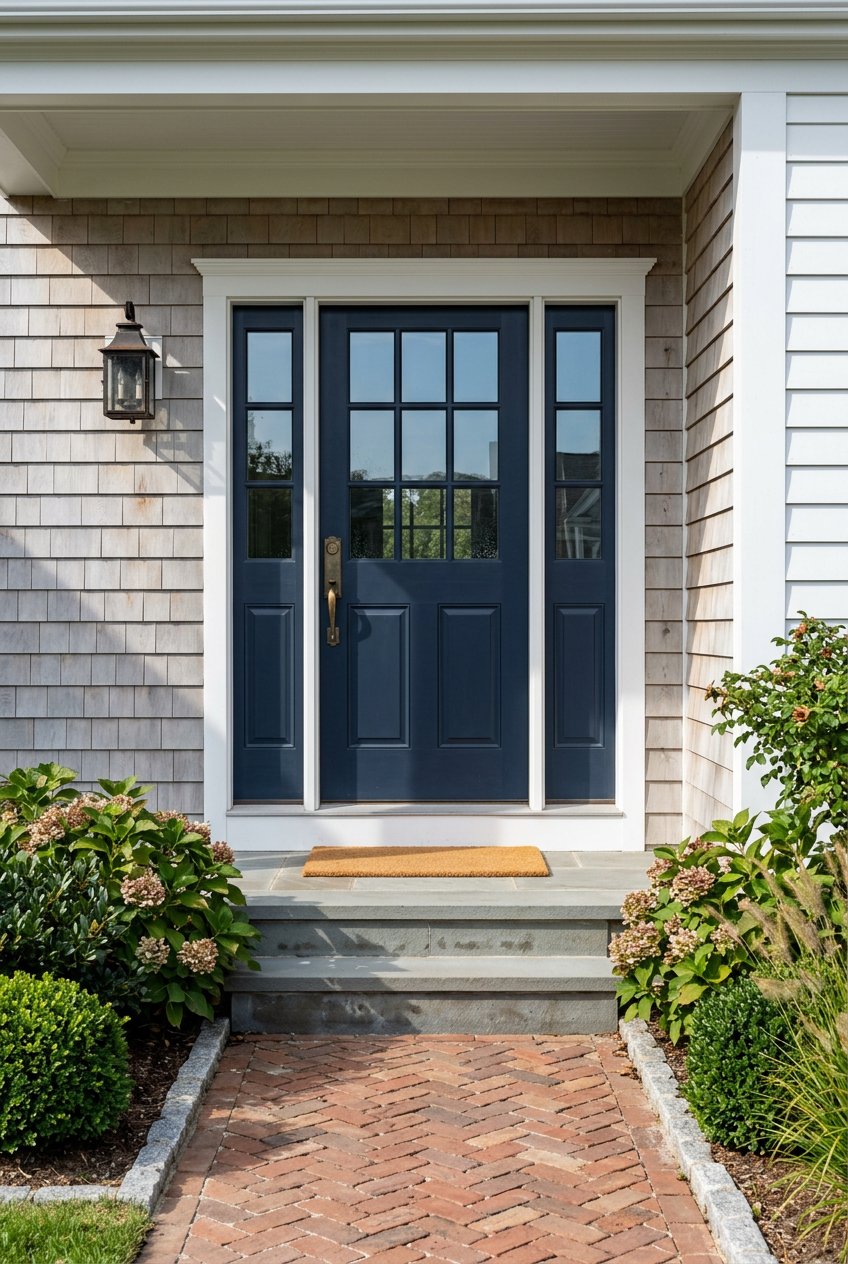
What draws you to a Nantucket home might be the soft gray shingles, a low picket fence draped in roses, or a wide porch that frames the ocean light. If you are exploring the market or planning updates to a property, understanding the island’s signature styles will help you buy and care for a home that holds its value. In this guide, you will learn how to spot the main architectural types, what the Historic District Commission (HDC) allows, and which maintenance and resiliency choices matter most on the island. Let’s dive in.
Signature styles at a glance
Whaling-era cottages and in-town houses
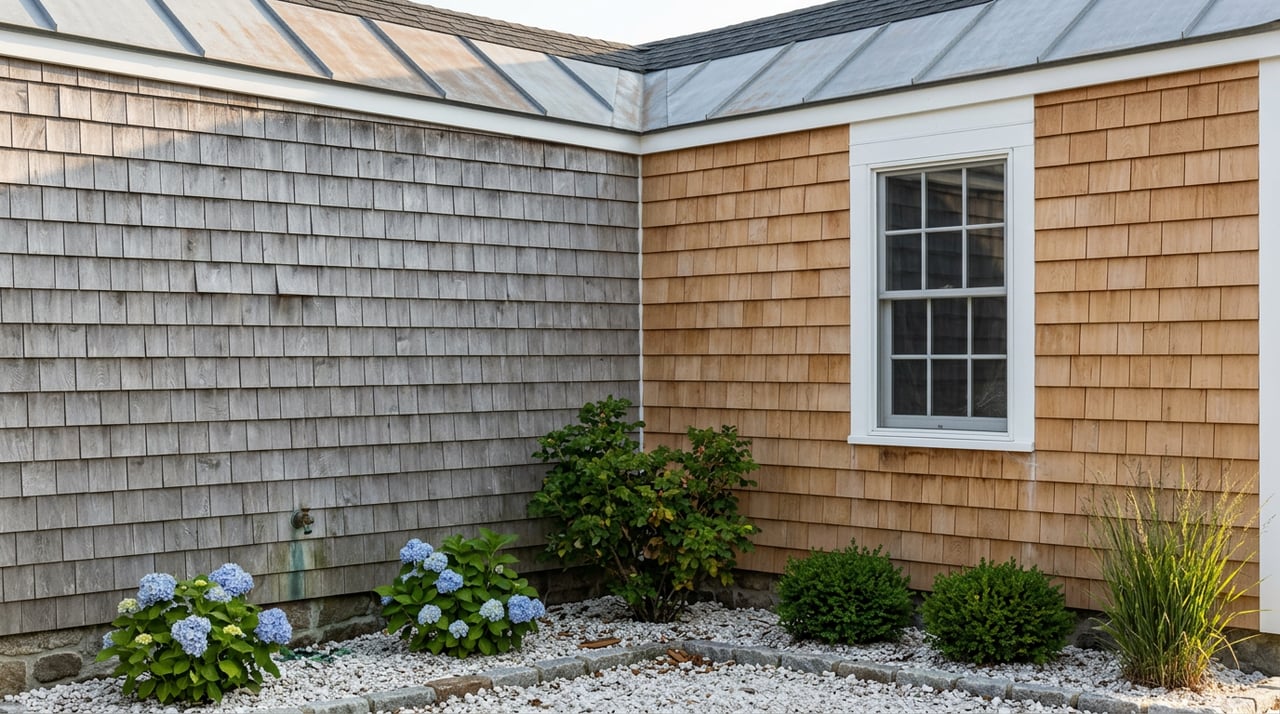
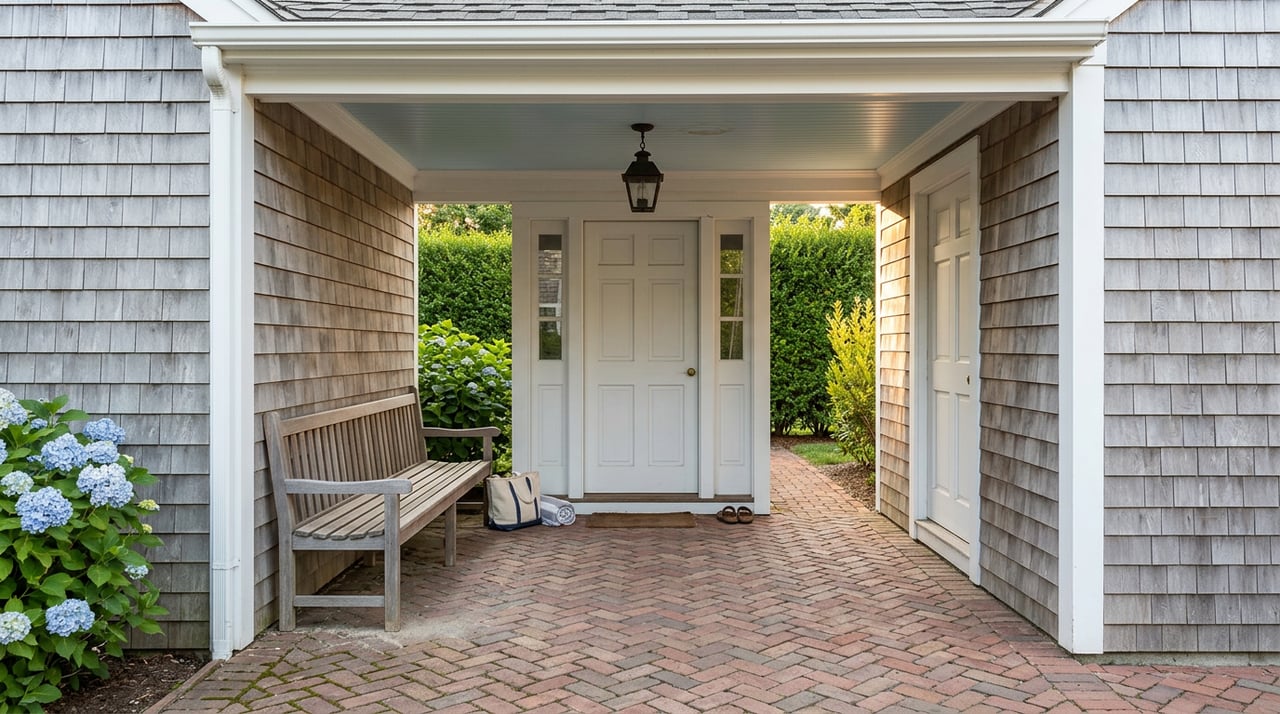
You will see compact 1 to 1½ story cottages and larger two-story townhouses that define the Old Historic District. Expect cedar-shingle cladding weathered to gray, simple gable roofs, modest porches, and small setbacks along narrow lanes. Higher-style examples, often called captain’s houses, show Federal or Greek Revival details like symmetry, pediments, and formal entry porches that speak to Nantucket’s maritime past. These are central to the island’s National Historic Landmark character and any exterior change requires attention to HDC standards.
Shingle Style summer houses
Late 19th and early 20th century summer homes often read as one continuous shingle skin wrapping walls and roof. Look for asymmetrical forms, gambrels or layered gables, generous porches, and substantial chimneys. Interiors tend to favor a great room or hall with informal flow to outdoor spaces. The Shingle Style is a classic coastal vernacular that designers continue to reinterpret, as documented by Historic New England’s style guide.
Cape, saltbox, and gambrel forms
Nantucket is full of practical New England shapes. Traditional capes have steep gables, simple massing, and, in older examples, a central chimney. Saltbox forms extend a lean-to at the rear. Gambrel roofs appear in many Colonial Revival interpretations. All keep to restrained trim and shingle cladding. These approachable silhouettes are common in year-round family homes and new builds that nod to history. For a quick primer on Cape Cod forms, see this overview of Cape-style house features.
Siasconset village cottages
In ’Sconset, you will find small, tightly clustered cottages along the bluff and village streets. The look is intimate and iconic: low fences, roses, hedges, and compact footprints. Village charm and proximity to the ocean contribute to strong demand. The ’Sconset Trust maintains resources that complement island-wide rules, so buyers and owners should review ’Sconset preservation guidance alongside HDC standards.
Coastal-contemporary interpretations
New construction on the island often blends Nantucket shingles with contemporary massing. You will see larger glass areas for views, open plans, and indoor-outdoor living while staying within the island’s muted palette. Within historic districts, siting and detailing must be sensitive to context to win approval. The HDC’s core design document, Building With Nantucket In Mind, outlines what tends to be compatible.
Price, desirability, and location
As of February 2026, local market reports placed the median sale price in the mid 3 million dollar range. On Nantucket, style and location work together. Small historic cottages in-town often command a premium per square foot because of walkability and scarcity of buildable lots. ’Sconset village cottages and larger waterfront or bluff-top estates also perform at the top of the market because of character and proximity to the water.
Long-term appeal is also shaped by climate and insurance realities. The Town’s Coastal Risk Assessment and Resiliency Strategies report identifies exposure in neighborhoods like Downtown and Brant Point, where rising base flood elevations and erosion increase ownership risk over time. Use the NOAA Sea Level Rise Viewer to check parcel-level flood context and pair it with FEMA maps and the Town’s resilience tools when assessing a property.
Regulations that shape design
Why the HDC matters
The entire island is protected as a historic district. Exterior changes that affect appearance typically require HDC review and a Certificate of Appropriateness. Start with the HDC landing page and checklists to see what can be approved administratively and what needs a public hearing. Build in time for review, provide clear photos and material samples, and expect a preference for repair and like-for-like replacement in the Old Historic District.
Is modern work allowed in-town
Yes, with care. The HDC evaluates massing, siting, materials, and color for compatibility. The guidance in Building With Nantucket In Mind helps owners and design teams shape proposals that fit their setting while meeting contemporary needs.
Materials and maintenance on the island
Cedar shingles are the island’s hallmark and remain the HDC’s preferred cladding. In exposed coastal locations, salt and wind age wood faster, so plan routine inspections and timely spot replacements. For roofs, consult the HDC’s Approvable Roof Shingle Colors guideline before choosing materials. Local best practice favors corrosion-resistant fasteners and careful flashing in marine conditions.
Five maintenance realities to budget for:
- Cedar shingle care and periodic replacement in exposed areas.
- Stainless or other corrosion-resistant fasteners and hardware.
- Roof inspections and targeted repairs to manage wind and salt wear.
- Septic inspections and potential I/A upgrades in sensitive areas.
- Salt and snow corrosion checks on exterior metalwork and mechanicals.
Sustainability and energy upgrades
The Town pairs preservation with sustainability. The HDC’s Sustainable Preservation guidance recommends repairing historic wood windows and using storms where feasible, rather than wholesale replacement in contributing structures. It also explains how to place solar so arrays are minimally visible. Emphasize reversible, low-visual-impact solutions and consult the HDC early to streamline approvals.
Wastewater and septic essentials
Many properties rely on on-site systems, and local rules can be stricter than state Title 5 in nitrogen-sensitive areas. For example, Madaket properties fall under Board of Health Regulation 51, which can require I/A systems or tight tanks. Review the local regulation text, request septic design and maintenance records, and budget for potential upgrades. Recent case law shows how strictly these rules can be applied; see the Massachusetts decision in Hutton v. Board of Health for context.
Flood, siting, and landscape resilience
In coastal high-hazard areas, elevation and structural strategy matter as much as style. The Town’s CRARS report and FEMA guidance detail freeboard and V-zone design principles like open pile or pier foundations. Use the NOAA Sea Level Rise Viewer to understand potential future inundation. Landscape choices such as native dune grasses, windbreak hedging, and, where permitted, living shorelines support resilience and fit the island character.
Restore or rebuild
Preservation on Nantucket values minimal intervention, both for embodied energy and historic integrity. If you are considering expansion, verify zoning, lot coverage, ground-cover limits, and setbacks early. On many in-town lots, allowable growth is limited by both zoning and historic character, so design moves that reduce visual impact are key. The strategies in Building With Nantucket In Mind are a practical starting point.
Quick buyer and owner checklist
- Learn the visual cues of each style so you can assess authenticity and fit.
- Check the HDC checklists before planning exterior work.
- Confirm flood exposure with the Town’s CRARS report and NOAA’s viewer.
- Review septic status, watershed rules, and any required upgrades.
- Align material choices with HDC guidance and coastal best practices.
- For rental or investment use, note that short-term rental policy has been evolving since 2025 and can affect underwriting. Seek local counsel.
Whether you love a rose-covered ’Sconset cottage, a grand Shingle Style retreat, or a crisp coastal-contemporary, choosing thoughtfully will help you enjoy the island while protecting long-term value. If you would like help matching a property to your lifestyle and goals, connect with Christie’s International Real Estate Atlantic Brokerage for curated guidance and market insight. Request a Private Market Consultation.
FAQs
What makes a Nantucket home feel authentic
- Weathered cedar shingles, muted trim, simple gables, modest porches, picket fences, and a streetscape that feels scaled to the lane are common cues.
How does HDC approval affect renovation timing
- Routine items can receive administrative or consent approvals, but major exterior changes require hearings. Start early, submit clear photos and samples, and use the HDC checklists to plan.
Can I add solar or larger windows to a historic house
- Often yes, if installations are minimally visible and reversible. The HDC’s Sustainable Preservation guidance favors repair of historic windows and careful PV placement to protect character.
What maintenance should I budget for in years 1 to 5
- Roof and shingle inspections with spot replacement, septic inspections or upgrades as needed, trim repainting or stain touchups, and seasonal service of HVAC and dehumidification.
How do style and location influence price on Nantucket
- As of February 2026, the island’s median sale price was in the mid 3 million dollar range, with in-town cottages, ’Sconset village homes, and waterfront or bluff-top estates often commanding premiums.
Which neighborhoods face higher climate exposure
- Downtown, Brant Point, and other low-lying areas show elevated long-term risk in the Town’s CRARS report. Use NOAA’s Sea Level Rise Viewer and Town resources for parcel-level checks.