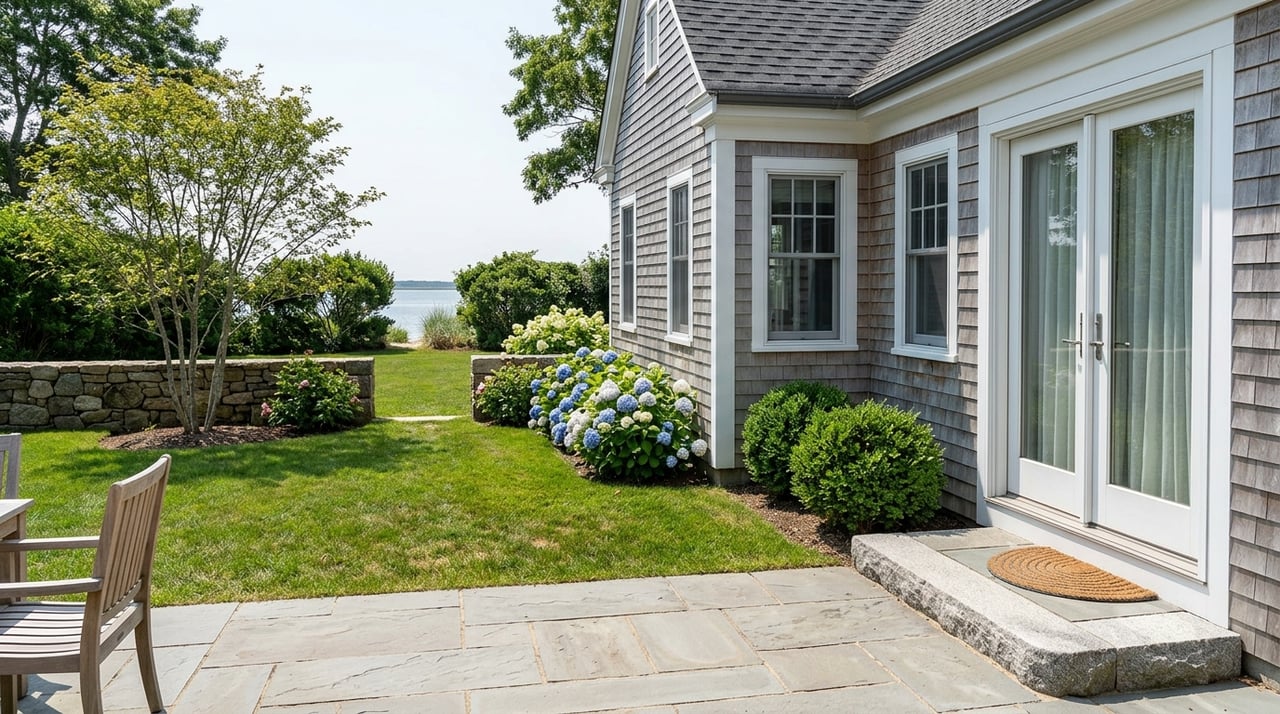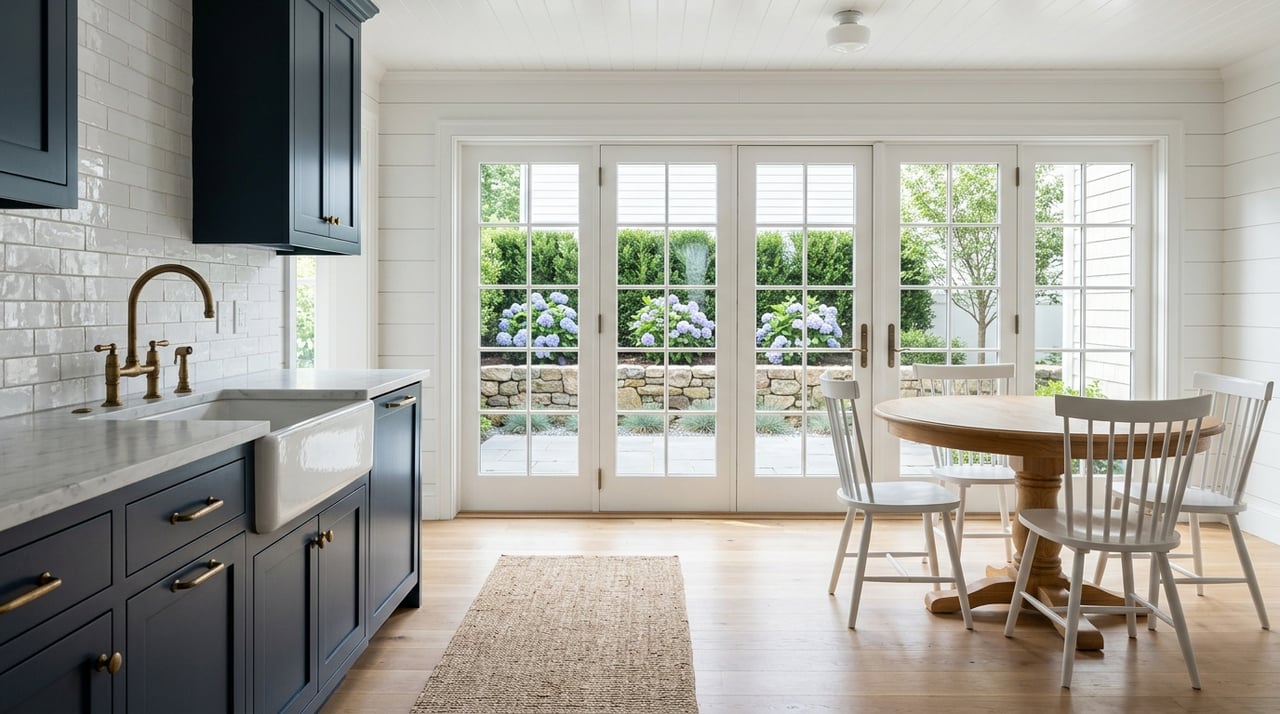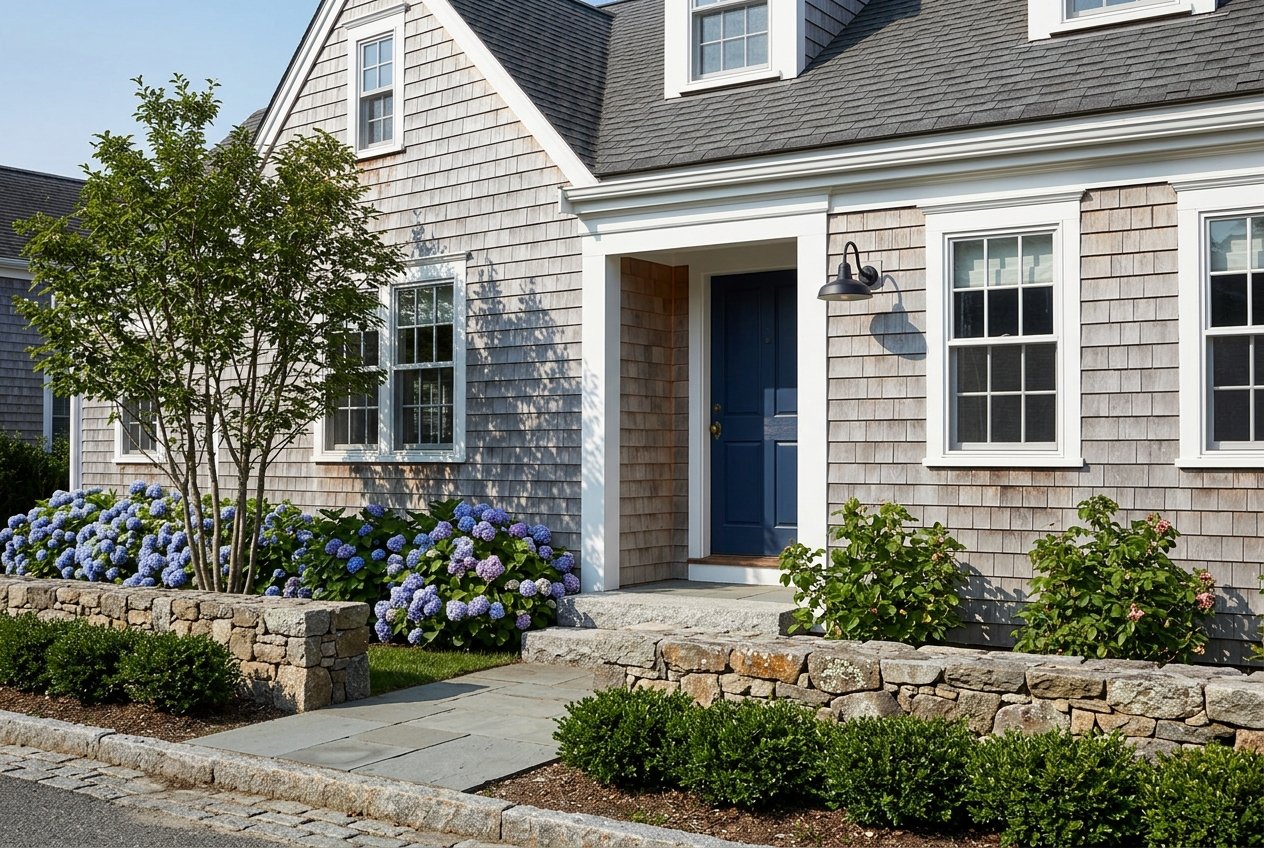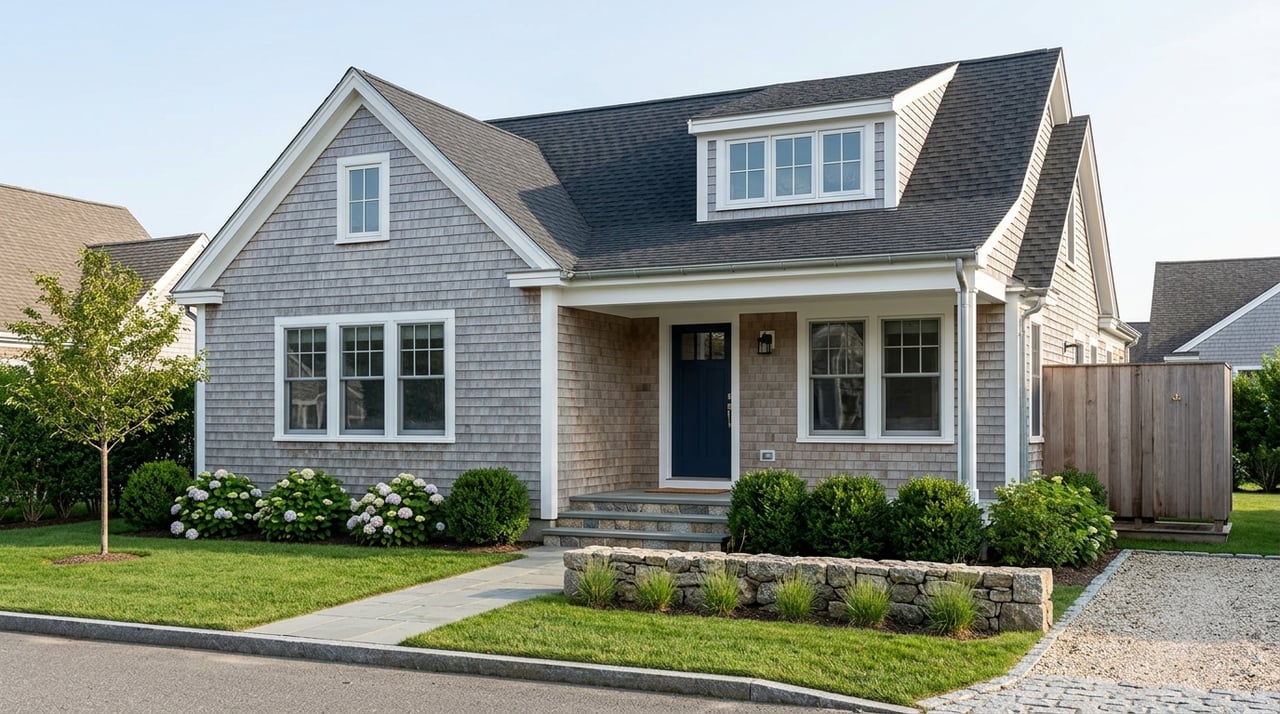
If your idea of a Cape Cod second home includes morning walks by the water, a compact village feel, and a town that still feels lively after peak summer, Chatham deserves a close look. Buying here is not just about finding a beautiful house. It is about matching your property to the way you actually want to spend long weekends, August stays, and shoulder-season escapes. This guide will help you understand what makes Chatham distinct, what seasonal ownership looks like in practice, and how to decide if it fits your version of Cape life. Let’s dive in.
Why Chatham Stands Out
Chatham sits at the southeast tip of Cape Cod, often called the Cape’s elbow. It is bordered by the Atlantic to the east, Nantucket Sound to the south, Pleasant Bay to the north, and Harwich to the west. That geography gives the town a strong coastal identity shaped by barrier beaches, harbors, estuaries, and ponds.
For second-home buyers, that setting matters because it creates a place that feels both scenic and contained. Chatham is not trying to be everything at once. Its appeal comes from a concentrated mix of water access, village activity, and a clearly seasonal rhythm.
Massachusetts also classifies Chatham as a legislatively designated Seasonal Community. State data shows that 55% of the town’s housing is seasonal, recreational, or occasional use, compared with about 36% across Barnstable County. That tells you seasonal ownership is not a side story here. It is a defining feature of the market.
The Chatham Lifestyle for Second Homes
Beaches Shape Daily Life
In Chatham, the beach is not just a backdrop. It often shapes how you plan your days, where you drive, and how easily you move around during a short stay. If you are buying a second home, convenience to the right kind of beach access can affect how often you actually use the property.
The town’s public and semi-public beach water is tested weekly during swimming season, and access rules vary by location. Pleasant Street, Forest, Oyster Pond, and Jackknife Harbor are listed as free or no-sticker parking areas. Other spots, including Cockle Cove, Ridgevale, Harding’s, and the Lighthouse Beach Overlook and Bridge Street access, have sticker or time restrictions.
Beach stickers are required from the third Friday in June through Labor Day. That seasonal structure is worth paying attention to as you narrow your search. A home that looks close to the beach on a map may feel very different in practice depending on parking and access rules in the busiest months.
Harbor Culture Runs Deep
The harbor side of Chatham is just as central to daily life as the shoreline. The Chatham Fish Pier remains a working commercial waterfront, and the town operates the municipal off-loading fish pier at Aunt Lydia’s Cove. During fishing season, the pier is also a well-known place for visitors, which reflects how closely working waterfront activity and town identity are tied together.
That gives Chatham a maritime character that many second-home buyers are looking for. It feels active and authentic rather than purely resort-oriented. If you want a town where the harbor is part of the lived experience, not just a scenic view, Chatham has a very specific kind of appeal.
Village Scale Matters
Chatham’s energy is more village-and-harbor than highway-and-corridor. The planning framework describes six neighborhood centers that are meant to remain compact and pedestrian-oriented, with West Chatham identified as the town’s second most important commercial area after Downtown. That helps explain why many buyers are drawn to homes with easier access to Downtown or a neighborhood center for frequent short stays.
If you plan to come down often for long weekends, proximity can be a major quality-of-life factor. Being able to move easily between home, downtown, the beach, and the harbor can make ownership feel simpler and more spontaneous. For some buyers, that ease matters more than having the most secluded address.
What Seasonal Ownership Really Looks Like
Chatham Is Built for Part-Time Owners
One of the clearest signs of Chatham’s seasonal culture is the Summer Residents Advisory Committee. The town notes that this committee serves property owners and taxpayers who are not voters, has been part of town life for decades, and meets weekly in summer and monthly in winter. That is a practical reminder that second-home ownership is woven into the civic fabric here.
For buyers, that can be reassuring. You are not stepping into a market where occasional-use ownership feels unusual. Chatham has long operated with seasonal residents as part of its community rhythm.
Summer Rules Affect Convenience
Seasonal ownership in Chatham comes with a town calendar that matters. Recreation and beach operations shift to summer hours from mid-June through Labor Day, and access rules at beaches and landings tighten during peak months. Those details may sound small at first, but they can shape how easy your stay feels.
That is why location choice should go beyond square footage and finishes. A second home works best when it supports the way you want to use it, especially during high-demand weeks when parking, beach access, and in-town movement matter most.
Shoulder Season Adds Real Value
Chatham’s usefulness does not end at Labor Day. Cape Cod’s tourism calendar even refers to the post-Labor Day period as “Second Summer,” which supports what many owners already know: late-season weekends can be some of the most enjoyable times to be here.
If your goal is not just peak August occupancy but repeated use across a longer season, Chatham can fit that pattern well. The town still feels active beyond the height of summer, which makes a second home here more versatile for buyers who want return trips rather than one concentrated stretch.
How to Choose the Right Chatham Setting
Not every second-home buyer wants the same version of Chatham. Your best fit depends on how you want the property to function.
If You Want Easy Weekends
You may want to focus on areas near Downtown or one of the town’s neighborhood centers. A more compact setting can make quick trips feel easier, especially if your ideal stay includes walking to village destinations, spending time near the harbor, and minimizing logistical friction.
This kind of location can be especially appealing if you expect to come often but for shorter visits. The less planning required once you arrive, the more likely you are to use the home regularly.
If You Want a More Private Retreat
You may prefer a setting that leans more water-adjacent or farther from the most active commercial areas. For some buyers, the appeal of a second home is quiet, separation, and a stronger sense of retreat. In that case, a less central location may feel more aligned with your goals.
The tradeoff is usually convenience versus privacy. Neither is better in the abstract. The right choice depends on what kind of time in Chatham you want to protect.
How Chatham Compares on Cape Cod
If you are still deciding where to buy, it helps to understand Chatham in context.
| Town | General Fit for Second-Home Buyers |
|---|---|
| Chatham | Best for buyers seeking a concentrated blend of harbor, beach, and village scale with a strong seasonal identity |
| Orleans | Better for buyers who want more everyday services and centrality on the Lower Cape |
| Harwich | Appeals to buyers who like a more spread-out, village-based feel |
| Provincetown | Suits buyers drawn to an arts-forward, entertainment-rich setting |
| Falmouth | Often fits buyers who want easier bridge access and broader year-round convenience |
Chatham’s niche is clear. It offers a strong maritime identity and a seasonal tradition that feels deeply rooted in place. If that is the version of Cape living you are after, it can be a compelling choice.
What to Think About Before You Buy
Before you search seriously, try to answer a few practical questions:
- Do you want a home built around beach access, harbor access, or village convenience?
- Will you use the property mainly for full summer stretches, frequent long weekends, or shoulder-season visits?
- Do you want a more active in-town experience or a more tucked-away retreat?
- How important is low-friction movement between home, parking, beaches, and downtown during peak season?
- Are you looking only for personal use, or do you also want guidance on vacation rental and leasing options?
These questions can help you narrow not just the property type, but the part of town that fits your ownership style. In a place like Chatham, lifestyle alignment matters as much as the house itself.
A thoughtful buying process also benefits from local guidance that understands the subtle differences between one area and another. For second-home buyers, the goal is not simply to purchase in Chatham. It is to buy the version of Chatham that matches how you want to live when you are here.
If you are exploring Chatham as a second-home destination, Christie’s International Real Estate Atlantic Brokerage can help you evaluate location, lifestyle fit, and property opportunities with the local insight and concierge-level service that coastal ownership deserves.
FAQs
What makes Chatham different for second-home buyers on Cape Cod?
- Chatham stands out for its concentrated mix of beaches, harbor culture, village scale, and a well-established seasonal ownership pattern.
Is Chatham a strongly seasonal housing market?
- Yes. Massachusetts classifies Chatham as a Seasonal Community, and state data shows 55% of its housing is seasonal, recreational, or occasional use.
Do Chatham beach rules matter when buying a second home?
- Yes. Parking and sticker requirements vary by beach, so access convenience can affect how easily you use your home during peak summer.
Does Chatham stay active after Labor Day for second-home owners?
- Yes. The post-Labor Day period is often treated as “Second Summer” on Cape Cod, and Chatham remains appealing for shoulder-season use.
Should you buy near Downtown Chatham or in a quieter area?
- It depends on your goals. Near-Downtown locations can be easier for frequent short stays, while less central settings may offer a more private retreat experience.