What does your ideal day in Orleans look like: coffee and a walk to Main Street, or planning your afternoon around the tide at Rock Harbor? That choice says a lot about which part of town may fit you best. If you are weighing waterfront versus village living in Orleans, understanding the daily rhythm, access, and property considerations can help you choose with confidence. Let’s dive in.
Orleans Offers Two Distinct Lifestyles
Orleans has long been shaped by the sea, and that influence still shows up in how the town thinks about its future. The town treats the waterfront and village center as paired priorities, with a focus on public space, pedestrian and bike access, and year-round activity.
That means you are not choosing between a strong area and a secondary one. You are choosing between two well-defined ways of living in the same coastal town, each with its own pace, conveniences, and trade-offs.
Waterfront Living in Orleans
Water Shapes the Day
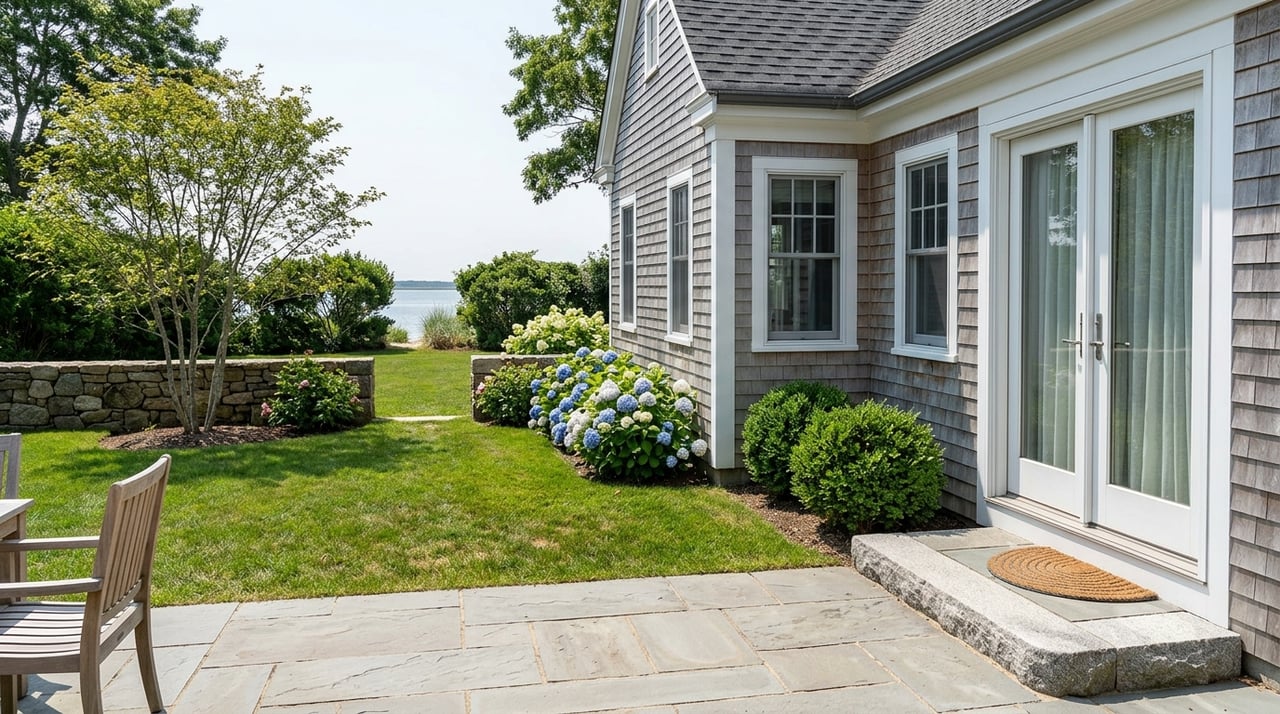
If you are drawn to waterfront living, the water is not just the view. It becomes part of your routine. In Orleans, that can mean time at the beach, boating, kayaking, clamming, or fishing, with Rock Harbor serving as both a working harbor and a recreational launch point.
The town maintains shoreside facilities for boaters, kayakers, and beachgoers, which reinforces how central water access is to this lifestyle. For many buyers, that direct connection to the shoreline is the entire point of owning here.
Access Can Be Tide-Sensitive
One of the biggest practical differences with waterfront living in Orleans is that access is not always as simple as getting in the car and going. Rock Harbor is navigable only from 2.5 hours before to 2.5 hours after high tide, so your boating schedule may depend on the clock and the tide chart.
The town maintains 43 recreational slips and 12 commercial slips at Rock Harbor, and there is a dockage waitlist. Orleans also notes that municipal mooring access comes through town landings, with the average municipal mooring wait running 8 to 10 years or longer.
There are also 24 town landings and three private marinas in Orleans: Arey’s Pond Boat Yard, Goose Hummock Marine, and Nauset Marine East. Even with those access points, it is smart to treat mooring, dockage, and launch access as details to verify early when comparing homes.
Not All Waterfront Areas Feel the Same
Waterfront living in Orleans is not one single experience. Nauset Beach and Skaket Beach, for example, offer very different settings and daily patterns.
Nauset Beach faces the Atlantic and is tied to a more surf-oriented environment. The town has documented erosion and westward beach migration there, along with retreat planning and facility changes, and the southern portion allows oversand vehicle access while the northern section is resident-only.
Skaket Beach, by contrast, sits on the bay side and is known for tidal flats and tide pools, along with amenities like a bathhouse and snack shack. In practical terms, one waterfront home search may point you toward an Atlantic-facing lifestyle, while another may lean more toward calmer bay and harbor conditions.
Waterfront Homes Need Extra Due Diligence
A waterfront purchase often requires more detailed review before you move forward. Orleans zoning states that Zone V areas are extremely hazardous because of high-velocity waters from tidal surges and hurricane wave wash.
In those areas, new construction must be landward of mean high tide, and fill and dune alteration are prohibited. For you as a buyer, that usually means taking a closer look at flood zone status, elevation, shoreline setbacks, and any water-access rights tied to the parcel.
Village Living in Orleans
Walkability Is the Main Advantage
If your ideal day involves simpler errands and a more connected downtown routine, village-center living may feel like the better fit. Main Street and Market Square form a compact shopping area where many destinations are within a short walk.
That makes it realistic to park once and cover much of downtown on foot. The town’s planning for the area also emphasizes a walkable commercial core with pedestrian and bicycle infrastructure, which supports that easy, village-scale feel.
Daily Needs Stay Close Together
One of the clearest benefits of village living is convenience. Downtown Orleans brings shops, dining, and community-oriented uses together in a relatively compact area.
Local chamber materials describe a mix of cafes, bakeries, bistros, boutiques, galleries, bookstores, gift shops, home-goods stores, and specialty food shops. For you, that can mean a day where errands, browsing, and dinner all happen in one short outing.
Homes Tend to Be More Compact
The village center is intentionally designed to stay compact and people-focused. Orleans zoning in the Village Center District allows mixed-use buildings with commercial uses on the first floor and residential units above or behind, while also requiring sidewalks and planting areas along street frontages.
The zoning also prohibits drive-throughs, fuel pumps, and fast-food restaurants in the district. That framework helps preserve a more walkable setting and generally supports a different housing form than what you may find along the shoreline.
The Downtown Housing Overlay District, approved in 2025 and finalized in 2026, further promotes year-round housing in sewered commercial areas. It also describes the historic village center streets and parts of Route 6A as a village-scale corridor with smaller buildings.
Character Still Matters Here
Village-center living in Orleans is not only about convenience. It is also tied to a sense of place and continuity in the built environment.
The town formed a study committee in 2023 to evaluate a possible historic district along Main Street in East Orleans, even though that proposal is not moving forward at this time. For buyers, that signals that character and preservation remain part of the broader conversation as the town plans for housing and activity.
Waterfront Versus Village: How to Decide
Choose Waterfront for a Lifestyle Anchor
Waterfront living usually makes the most sense when the water itself is the reason for the purchase. If you want your home to support boating, beach time, fishing, kayaking, or shoreline views as part of your regular routine, the waterfront side of Orleans can deliver that connection.
The trade-off is that this lifestyle often comes with more variables. Tides, access, erosion conditions, flood zones, and permitting constraints can all play a larger role in how you use and evaluate a property.
Choose Village for Simplicity and Energy
Village living tends to fit buyers who want walkability, convenience, and more year-round activity close at hand. If you like the idea of being able to move through the center of town on foot and combine daily tasks with dining or shopping, the village center offers a very practical appeal.
This choice may also suit buyers who prefer a more compact home pattern and a setting shaped by streetscape, storefronts, and public activity rather than shoreline logistics.
What to Verify Before You Buy
No matter which lifestyle appeals to you, Orleans rewards careful property-level review. Two homes may look similar on paper and function very differently in real life.
As you compare options, it helps to verify:
- Flood zone status
- Elevation and setback conditions
- Mooring, dockage, or water-access rights
- Parking setup and daily access
- Whether the property sits in a zoning district or overlay with special rules
These details can shape not only your ownership experience, but also your long-term flexibility and planning.
The Best Fit Comes Down to Rhythm
In Orleans, the decision is often less about price point or prestige and more about rhythm. Waterfront living asks you to lean into the shoreline, the harbor, and the tide. Village living puts you closer to shops, dining, and a compact downtown that supports easy day-to-day movement.
If you are choosing between the two, the right answer is usually the one that matches how you actually want to spend your time here. For tailored guidance on Orleans properties, from harborfront homes to village residences, Christie’s International Real Estate Atlantic Brokerage can help you evaluate the lifestyle and property details that matter most.
FAQs
What is the main difference between waterfront and village living in Orleans?
- Waterfront living centers on beaches, boating, harbor access, and shoreline routines, while village living centers on walkability, compact downtown access, and nearby shops and dining.
What should you check before buying a waterfront home in Orleans?
- You should verify flood zone status, elevation, shoreline setbacks, and any mooring, dockage, or water-access rights tied to the property.
What makes village-center living in Orleans convenient?
- Main Street and Market Square form a compact downtown where many shops and dining options are within a short walk, making it possible to park once and cover the area on foot.
What should buyers know about Rock Harbor access in Orleans?
- Rock Harbor is navigable only from 2.5 hours before to 2.5 hours after high tide, and both dockage and municipal moorings can involve waitlists.
Do all waterfront areas in Orleans offer the same experience?
- No. Atlantic-facing areas like Nauset Beach feel different from bay and harbor areas like Skaket Beach, with different conditions, access patterns, and daily use.
What kind of homes are common in the Orleans village center?
- Village-center properties are often part of a more compact development pattern, including mixed-use buildings with commercial space on the first floor and residential space above or behind.