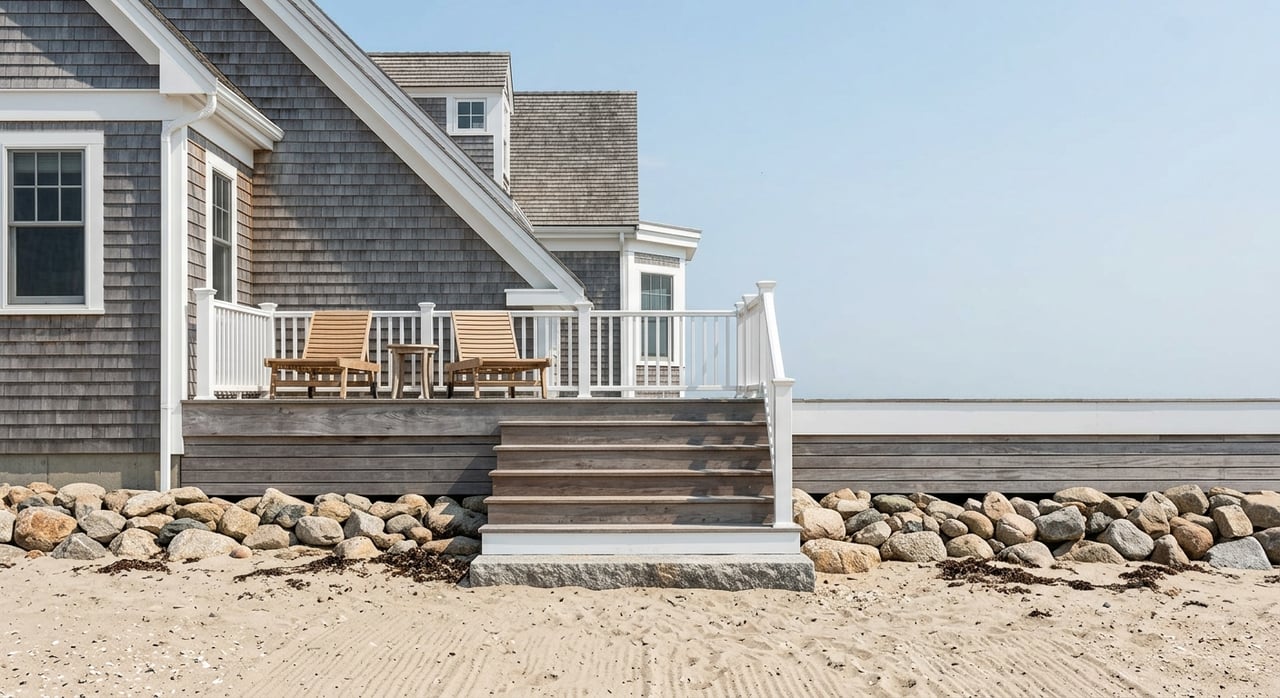
If you are shopping or selling on the water in Chatham, one detail matters more than many people realize: which water you are actually on. In this market, “waterfront” is not one simple category. Your experience, maintenance questions, access, and even buyer demand can shift sharply depending on whether a property faces the Atlantic, Nantucket Sound, or a harbor or cove. This guide will help you understand how Chatham’s waterfront micro-markets work so you can make a more informed move. Let’s dive in.
Why Chatham Waterfront Is Not One Market
Chatham’s geography naturally creates several different waterfront settings. The town sits at the southeast tip of Cape Cod, with the Atlantic Ocean to the east, Nantucket Sound to the south, and Pleasant Bay to the north, and town planning documents treat these areas as functionally distinct coastal environments. According to the Town of Chatham’s geography overview, this is a high-value, highly seasonal housing market where more than half of the housing stock is seasonal.
That matters because buyers are not simply comparing “water views.” They are comparing beach access, boating utility, privacy, shoreline exposure, and long-term usability. In a place like Chatham, those differences often place properties into separate pricing and competition bands.
The Three Main Waterfront Settings
Atlantic-Facing Shorefront
Atlantic-facing property offers Chatham’s most exposed coastal setting. The town notes that this shoreline has been shaped by inlets, barrier beaches, and long-term coastal change, creating a dramatic and highly natural edge along the open ocean. The town’s coastal planning materials also highlight how dynamic this area can be over time.
For many buyers, the draw is clear. You get sweeping open-ocean views, a more secluded feel in some locations, and a strong connection to Chatham’s outer shoreline landscape. At the same time, this setting typically calls for closer attention to dune buffers, shoreline history, and coastal resilience.
Nantucket Sound Shorefront
Nantucket Sound is the most beach-oriented waterfront setting in Chatham. Many of the town’s best-known recreational beaches, including Harding’s, Ridgevale, and Cockle Cove, are here, along with Forest Beach and Pleasant Street Beach. The town’s beach resources and coastal plans show that this shoreline is central to seasonal beachgoing and swimming activity.
This is often the part of the market that feels most closely tied to a classic summer waterfront lifestyle. If your priority is easy beach use, warm-season recreation, and a property that lives like a beach house, Soundside locations often stand apart.
Harbor and Cove Waterfront
Harbor and cove properties function differently from open-shore beach properties. In and around Stage Harbor, waterfront often relates more directly to boating, moorings, ramps, and marine access than to broad sandy frontage. The town identifies Stage Harbor as its principal deep-water port, with more than 1,150 public and private moorings, multiple marinas, boat ramps, a working boatyard, and the municipal fish pier at Aunt Lydia’s Cove in its harbor planning documents.
For the right buyer, that utility can be a major advantage. But harbor and cove ownership often depends on practical details such as water depth, tides, mooring availability, and whether a site truly supports the boating use you want.
How Each Waterfront Type Lives Differently
Atlantic Waterfront and Exposure
Atlantic-facing homes often appeal to buyers who value privacy, dramatic views, and a setting that feels closely tied to the wider ocean. Because public access tends to be concentrated at specific beaches and landings, some lots away from those points can feel especially private.
The trade-off is exposure. Chatham’s planning language consistently points to shoreline change and barrier beach dynamics along the Atlantic edge, so this is usually the setting where due diligence around erosion patterns and long-term coastal behavior becomes especially important.
Soundside Waterfront and Beach Use
If your vision of Chatham includes swimming, sand, and easy summer beach days, Nantucket Sound locations often align best with that lifestyle. The town’s planning documents note that activity at Harding’s and Ridgevale is often spread across other Soundside beaches such as Cockle Cove, Forest, and Pleasant Street, showing just how active and recreation-focused this shoreline is.
Access rules can shape daily convenience here. According to Chatham’s beach parking information, Harding’s, Ridgevale, and Cockle Cove require stickers or visitor passes in season, while Forest Beach and Pleasant Street offer free parking. Those rules may seem minor at first, but they can affect how a property feels in regular summer use.
Harbor Waterfront and Boating Utility
Harbor and cove properties are usually more about function than sand frontage. If you plan to keep a boat, use a mooring, or prioritize access to working waterfront infrastructure, this part of the market can be especially compelling.
Still, not every harbor setting offers the same utility. The town notes that some feeder waterways are shallow or tide-dependent, and places like Mill Creek can have very limited depth at low tide. In these locations, the real value story may come down to whether the property offers meaningful dock, ramp, or mooring utility rather than simply touching the water.
What Buyers Should Evaluate First
When you compare waterfront properties in Chatham, it helps to start with use rather than appearance. A beautiful water view can be very different from usable waterfront for your day-to-day lifestyle.
Ask these questions early:
- Do you want a property mainly for swimming and beach access?
- Do you want boating access, and if so, do you need a dock, mooring, or ramp utility?
- How important is privacy versus proximity to public beaches and access points?
- Are you comfortable with a more exposed shoreline, or do you prefer a more sheltered setting?
- Will you use the home seasonally, year-round, or as part of an investment or leasing strategy?
In many cases, the right answer is less about prestige and more about fit. A Soundside home may suit one buyer perfectly, while another may place much more value on harbor utility or Atlantic seclusion.
What Sellers Should Highlight
If you are preparing to sell a waterfront property in Chatham, the most effective marketing angle usually starts with the property’s specific waterfront function. In this market, buyers tend to respond to clear, concrete value drivers rather than broad waterfront labels.
Depending on the property, that may include:
- Frontage type
- Beach access and day-to-day convenience
- Dock or mooring utility
- Water depth or tidal considerations
- Privacy relative to public access nodes
- Seasonal versus year-round usability
This is especially important in a town where pricing already operates at a premium. The Chatham Housing Profile 2025 notes that about 55% of homes are seasonal, about 85% of residential properties are single-family, and Chatham regularly posts some of the highest median home sale prices in the region.
Pricing Reflects the Differences
Chatham is already an expensive and inventory-constrained market, but direct waterfront can move values far above townwide benchmarks. Public market sources vary in how they measure current pricing and competitiveness, but they consistently point to a premium market with limited supply. For example, Redfin’s Chatham housing market data reported a February 2026 median sale price of $1.33 million, 124 median days on market, and only three homes sold.
Waterfront examples can rise much higher. Public reporting from the Cape Cod Chronicle highlighted an Oyster Pond waterfront estate listed at $12.5 million and a Chatham Harbor-front property listed at $25 million. These are not market averages, but they illustrate how strongly buyers can value direct water access and usable shoreline in the right setting.
Why Micro-Market Knowledge Matters
In Chatham, the side of the water is not a cosmetic detail. It affects how a property is used, how it should be evaluated, and who is most likely to buy it. That is why two homes with “waterfront” in the description can serve very different goals and command very different responses.
For buyers, that means narrowing your search around lifestyle fit before you focus on finishes or square footage. For sellers, it means positioning a property around its real waterfront strengths with precision and clarity.
If you are considering a purchase or sale in Chatham, Christie’s International Real Estate Atlantic Brokerage can help you evaluate the differences between Atlantic, Soundside, and harbor-front opportunities with a more strategic local lens.
FAQs
What does waterfront mean in the Chatham real estate market?
- In Chatham, waterfront usually falls into separate micro-markets such as Atlantic-facing shorefront, Nantucket Sound beach properties, and harbor or cove locations, each with different use patterns, access considerations, and pricing dynamics.
Which Chatham waterfront setting is best for beach use?
- Nantucket Sound is generally the most beach-oriented setting in Chatham, with many of the town’s primary recreational beaches and the strongest connection to swimming and seasonal beach activity.
Which Chatham waterfront areas are best for boating utility?
- Harbor and cove areas, especially around Stage Harbor, are usually the most utility-driven for boating, but actual usefulness depends on details like water depth, tides, mooring options, and access infrastructure.
Are Atlantic-facing homes in Chatham more exposed?
- Yes. Town planning materials describe the Atlantic edge as the most dynamic and exposed shoreline setting, with barrier beaches, inlet changes, and long-term coastal movement shaping how those properties are evaluated.
Do beach access rules affect Chatham waterfront living?
- Yes. Seasonal parking, sticker, and visitor pass rules at several Chatham beaches can affect how convenient nearby waterfront ownership feels during peak season.
Why do Chatham waterfront home prices vary so much?
- Prices can vary widely because frontage type, direct access, boating utility, privacy, and year-round usability all influence demand, and Chatham is already a high-value market with limited inventory and a large seasonal-home share.